Zed 0.162 and the shift toward native performance
Zed outperforms VS Code with a 0.12 second cold-start and 16x lower memory usage, utilizing a custom Rust-based GPUI framework. While Cursor leads in AI depth, Zed offers superior real-time collaboration via CRDTs and lower input latency for performance-minded developers.

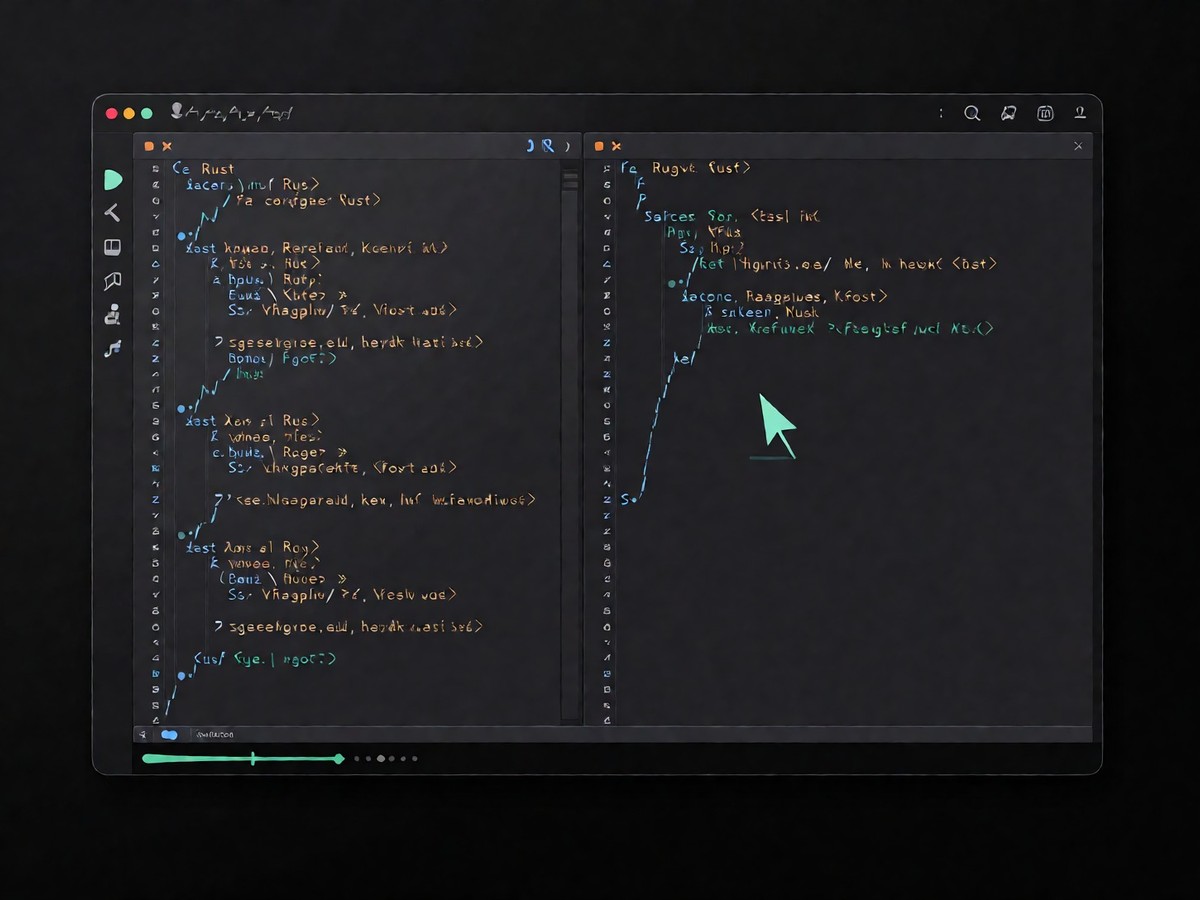
High-performance architecture and memory efficiency
Zed cold-starts in 0.12 seconds. VS Code requires 3.00 seconds for a clean install with no cache. In May 2026, ToolChew measured Zed v1.2.6 using 222 MB of RAM compared to the 3,549 MB used by VS Code. This creates a 16x memory gap. The performance advantage becomes even more significant when working with massive repositories. In April 2026, Byteiota found that Zed could open 100,000-line files 8x faster than VS Code. The memory consumption remains low, with Zed using 340 MB when AI features are active while VS Code climbs to 980 MB. This allows developers to run Docker containers or databases alongside their editor without hitting memory ceilings. While VS Code relies on the Chromium-based Electron framework to render its interface through layers of JavaScript and the DOM, Zed uses a custom Rust-based framework called GPUI to communicate directly with the GPU. This architecture allows for 2ms input latency. VS Code input latency is 12ms, and CodeOxi measured it climbing past 50ms under heavy load in August 2026. Independent reviewer Ricardo Gil reconfirmed this 2ms versus 12ms split in July 2026. To improve search performance, Zed developers implemented a SummaryCache in the internal nodes of its tree structure. This optimization allows random seeks in a tree of one million items to drop from 41.2us to 3.4us. The memory overhead for this cache is 16 bytes per internal node on 64-bit targets.
AI integration and the extension gap
Cursor is a VS Code fork that leads in AI depth. Its Tab predictive completion predicts entire blocks of code based on cursor movement and project context. Cursor also provides Composer for multi-file editing. Zed uses the Agent Client Protocol to support agents like Claude and Gemini. You should check if your most used plugins have a Zed equivalent before switching. VS Code has over 100,000 extensions in its marketplace. Zed has about 1,000 extensions. Zed uses WebAssembly for its extension model. The 1.0 release in April 2026 added bookmarks and a Git command palette. Cursor provides 500 Premium model requests per month in its $20/mo Pro plan. Zed allows users to use their own API keys for Claude or Gemini at almost no extra cost. Developers in systems programming roles often choose Zed for its native Rust foundation. Cursor is the best choice for teams evaluating an integrated editor and hosted agent workflow.
Collaboration and team workflows
Zed uses CRDTs to allow multiple people to edit the same file. This real-time collaboration features sub-100ms latency for cursor and selection syncing. Cursor does not support native real-time collaboration. Developers who want to choose their model provider or connect an existing coding agent prefer Zed. Zed is the best choice for performance-minded developers and open-source advocates.
| Feature | Cursor | Zed |
|---|---|---|
| Pricing (Pro) | $20/mo | $10/mo |
| AI Model Access | Hosted | BYOK / Hosted |
| Real-time Collaboration | No | Yes |
| Extension Model | VS Code | WebAssembly |
Will Zed’s extension ecosystem reach the 100,000 mark within the next year?

Technewsdaily
Senior tech writer covering AI, gadgets and cybersecurity. Breaking down the news that matters, every day.