Home Assistant wins the consolidation race
Home Assistant offers extensive device integration and local data processing compared to Hubitat and OpenHAB. The platform supports over 1,000 devices and provides a highly customizable interface for users seeking privacy-focused IoT consolidation.

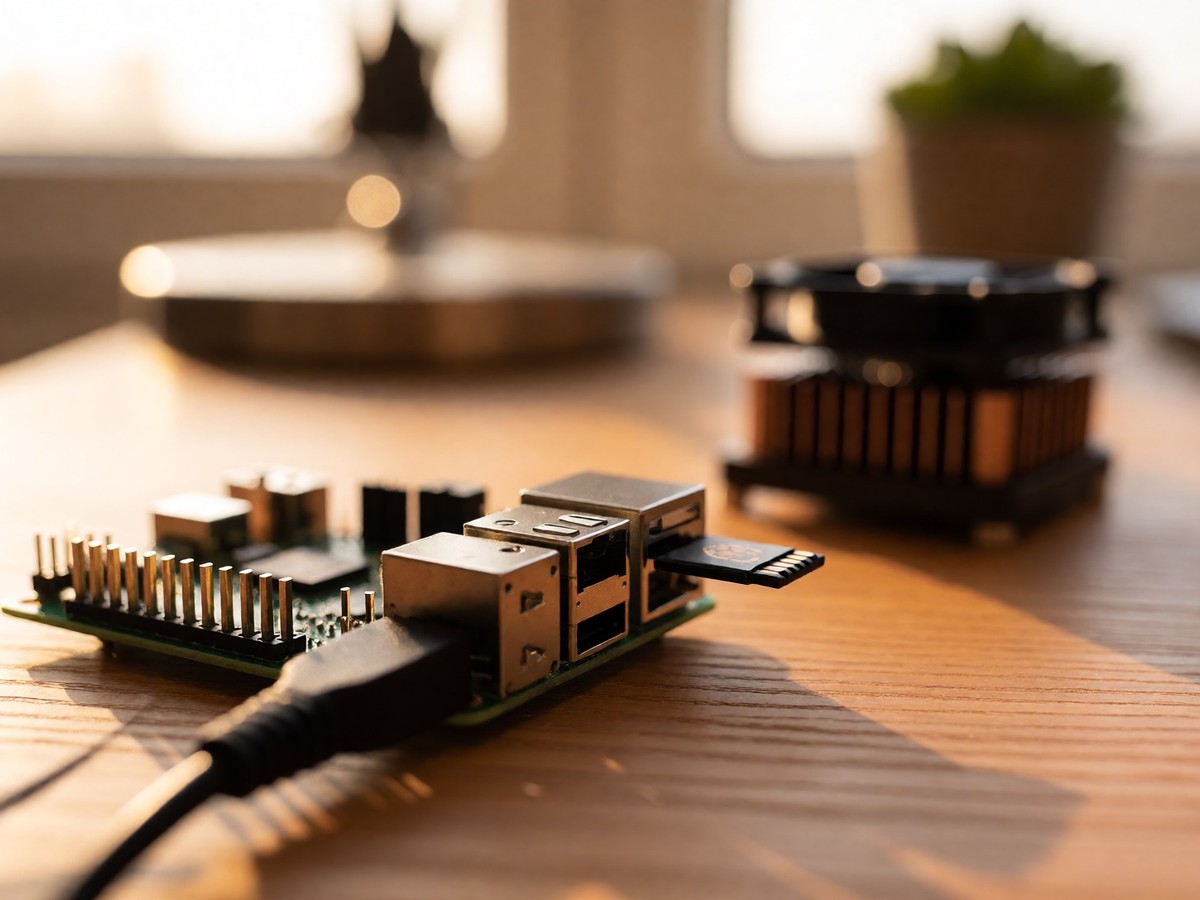
Home Assistant supports over 1,000 devices and integrates them into a single system that processes all data locally. The platform uses Python and provides a modern interface with drag and drop dashboard customization. It scales from a Raspberry Pi to a personal server or a virtual machine. Users can run third party automation engines like NodeRed or a DNS based ad blocker like AdGuard directly on the system. The platform also functions as a Spotify Connect target.
The Open Home Foundation manages Home Assistant as a non-profit project. This structure prevents the platform from being sold or acquired. Nabu Casa and Apollo Automation provide funding for the foundation. In 2024, Nabu Casa joined the Z-Wave Alliance Board of Directors to bring open-source collaboration to Z-Wave technology. About 10% of Home Assistant households use Z-Wave technology, which accounts for 1.7 million devices.
Home Assistant differs from Hubitat Elevation in several technical ways. Hubitat requires the purchase of specific hardware like the C-8 or C-7 models to run its local processing. Home Assistant is free to download and run on any compatible hardware you own. Hubitat offers remote access via a subscription for $36 per year, while Home Assistant requires programming for remote access unless you buy a subscription for $5 per month to use Alexa or Google Assistant.
| Feature | Home Assistant | Hubitat Elevation |
|---|---|---|
| Starting price | Free | $189.95 |
| Pricing model | Open-source | Unknown |
| Free tier | Yes | No |
| Platforms | Hardware you own | Local hub (C-8, C-7), Mobile app |
| Remote access | Requires programming | Requires $36/year subscription |
OpenHAB and the stability of volunteer code
OpenHAB runs on Java and operates on everything from PCs to Raspberry Pis. It supports hundreds of integrations through add-ons and uses an offline-first approach. The platform is 100% free and volunteer driven. The German non-profit status of the Open Home Foundation prohibits OpenHAB from engaging in any commercial activity. This means developers do not receive pay for their work, and the project survives on donations to the foundation.
The development speed of OpenHAB relies on the interests of its volunteers. If a feature does not interest a volunteer with the necessary skills, the project does not develop it. This leads to a roadmap that does not exist. Some users have kept OpenHAB running without flaws for over 5 continuous years. However, the complexity of its text configuration and data types creates a steep learning curve. Users often feel like they are deciphering an ancient map when they attempt to create rules.
Home Assistant moves faster because it has full-time staff. This speed allows it to integrate new ecosystems or devices more quickly than volunteer-only projects. This rapid development sometimes causes compatibility issues when an update breaks a configuration. One user on the Open Home forum noted that they moved to OpenHAB because they wanted to know exactly what their system does and avoid the tendency of Home Assistant to make decisions for the user.
The Open Home Foundation prioritizes privacy and sustainability. It maintains that closed platforms design ecosystems to serve their creators and control user data. Home Assistant provides APIs for complete management so users access their own data. The platform communicates with devices locally and only pulls data from the cloud if no other option exists.
Choosing between local control and ease of use
Hubitat Elevation provides a plug-and-play experience with a web-based dashboard. It is cheaper than a full Home Assistant setup if you do not own a Raspberry Pi or an SSD. The C-8 model supports 1,000+ devices across 100+ brands using Zigbee, Z-Wave 800 Long Range, Matter 1.5, Bluetooth, and Wi-Fi. Hubitat processes all data on the hub by default, which provides fast response times.
Home Assistant provides more versatility for those who want to tinker. It allows you to build custom interfaces using the Lovelace UI or use Python for complex logic. You can use NFC to automate tasks or use Home Assistant Cast to turn any TV into a dashboard. The platform also includes a home energy management feature to optimize solar panel production.
| Attribute | Home Assistant | Hubitat Elevation |
|---|---|---|
| Compatibility | High | Low |
| Speed | Extremely fast | Fast |
| User Interface | Fairly good UI | Bad/Outdated UI |
| Initial Set Up | Automatic | Manual |
If you prioritize a ready-to-go package with minimal setup, Hubitat is the better choice. It handles the setup through a wizard that walks you through adding devices manually. If you want the largest integration catalog and a highly customizable interface, Home Assistant is the better choice. It automatically scans your network for known devices and populates a dashboard.
Will the consolidation of Matter and Thread protocols eventually make local-first hardware hubs unnecessary?
You should choose Home Assistant if you want the most powerful smart home platform and enjoy customization. You should choose Hubitat if you want a cheaper, simpler tool that requires less technical knowledge to operate.

Technewsdaily
Senior tech writer covering AI, gadgets and cybersecurity. Breaking down the news that matters, every day.