Caddy beats Nginx on automation and simplicity
Caddy simplifies server management by automating TLS certificate renewals and offering a readable Caddyfile configuration. While Nginx excels at high-performance static content delivery, Caddy provides easier deployment for SaaS teams needing custom hostnames and native PHP support via FrankenPHP.

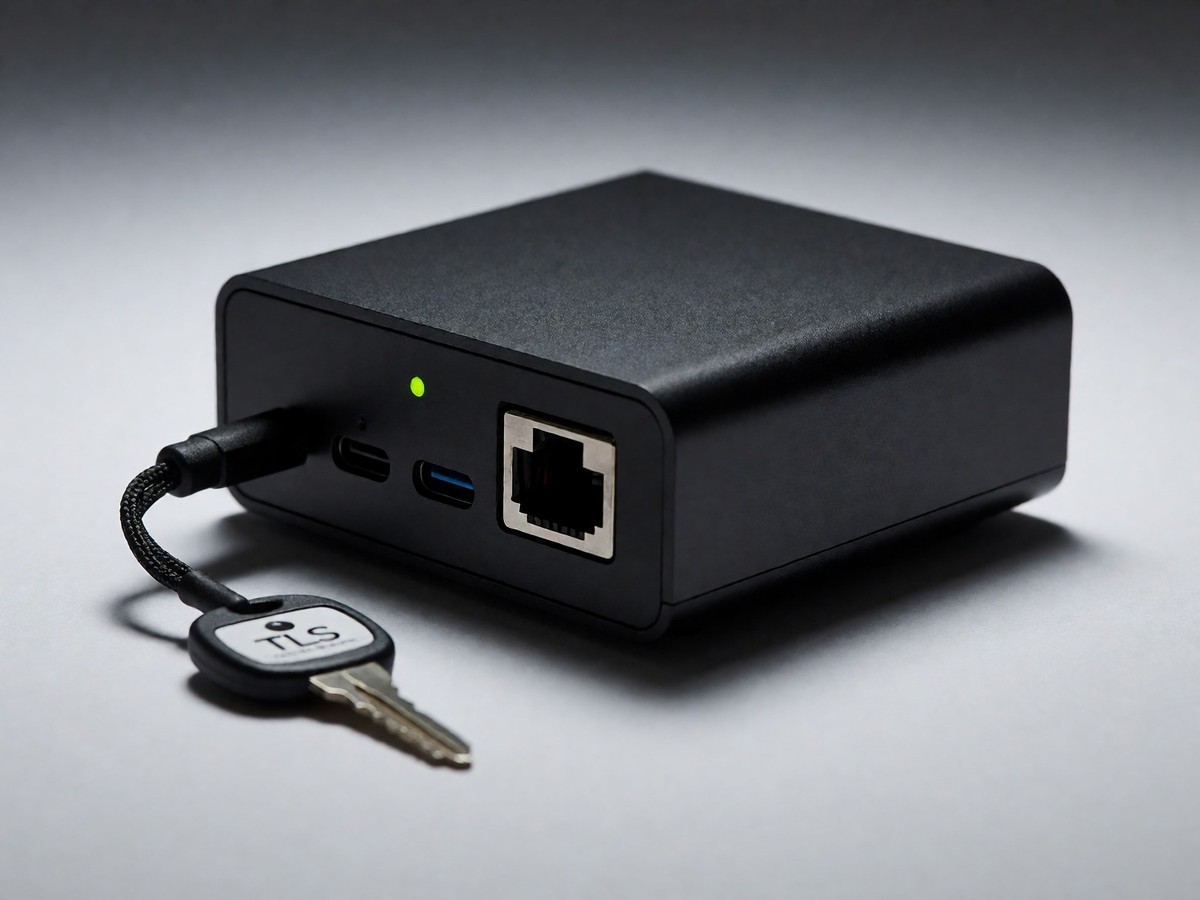
Caddy manages TLS certificates automatically during handshakes, which solves the manual headache of configuring SSL in Nginx. While Nginx requires tools like Certbot to handle renewals via cron jobs, Caddy handles its own certificate management as part of the core application. This feature makes it a strong choice for teams running SaaS businesses that need to provide custom hostnames for customers.
Caddy simplifies your deployment
I find Caddy’s configuration much more readable than the verbose directives required by Nginx. You can set up a production site with just a few lines in a Caddyfile, whereas an Nginx config often reaches much larger sizes. Caddy also uses a JSON document as its native configuration, which you can manipulate through a RESTful config API. This allows for dynamic changes without restarting the server. If you use Go, you can write plugins as simple Go packages. Caddy also supports FrankenPHP, which delivers PHP pages about 4x faster than Swoole or RoadRunner because it embeds the interpreter directly into the binary.
| Feature | Caddy | Nginx |
|---|---|---|
| Config Format | JSON, Caddyfile, YAML, TOML | Custom text format |
| HTTPS Setup | Automatic by default | Requires manual setup or Certbot |
| Architecture | Modular/Pluggable | Worker/Master process |
| PHP Support | Native via FrankenPHP | Requires php-fpm |
The automatic HTTPS works even for localhost and internal IPs using a self-managed CA. Caddy staples and caches OCSP responses by default, which prevented issues for users when OCSP infrastructure faced outages in 2018. It also automatically renews certificates if they get revoked, a feature that helped users during the 2020 mass revocation event. However, Caddy may use more RAM than Nginx when handling many concurrent connections. Some users also find the master-slave configuration difficult to manage. Can Caddy match Nginx’s performance for high-traffic static content delivery?
Comparison with Traefik and Nginx
Traefik excels in containerized environments because it auto-discovers containers via labels. For those using Docker or Kubernetes, Traefik provides native functionality without extra plugins. Caddy is also convenient for containerized infrastructure when paired with the caddy-docker-proxy module. Nginx remains a standard for high-performance needs, particularly for serving large amounts of static content or when you need to optimize specific bottlenecks. One user noted that a 512mb-ram VPS running Certbot could support a hundred VPS instances for many domains.
Caddy offers high availability features like circuit breaking, load limiting, and graceful config changes for free. It also includes a built-in file server that supports Range requests and Etags. While Traefik looks powerful for container pros, some find it feels like over-engineering for basic usage. Nginx is widely used for load balancing and caching, but its configuration can be complex for those unfamiliar with manual tweaking. I would choose Caddy if you want clean config-as-code and easy certificate management. Use Traefik if you need auto-discovery for dynamic Docker workloads. Stick with Nginx if your primary goal is maximum performance for static files.

Technewsdaily
Senior tech writer covering AI, gadgets and cybersecurity. Breaking down the news that matters, every day.