cPanel history and AI features as providers weigh DirectAdmin and Plesk
cPanel leverages over 20 years of stability and new AI-native workflows to secure its market position against Plesk and DirectAdmin. The platform integrates a self-learning firewall and automated kernel patching to enhance security while simplifying server management for hosting providers.

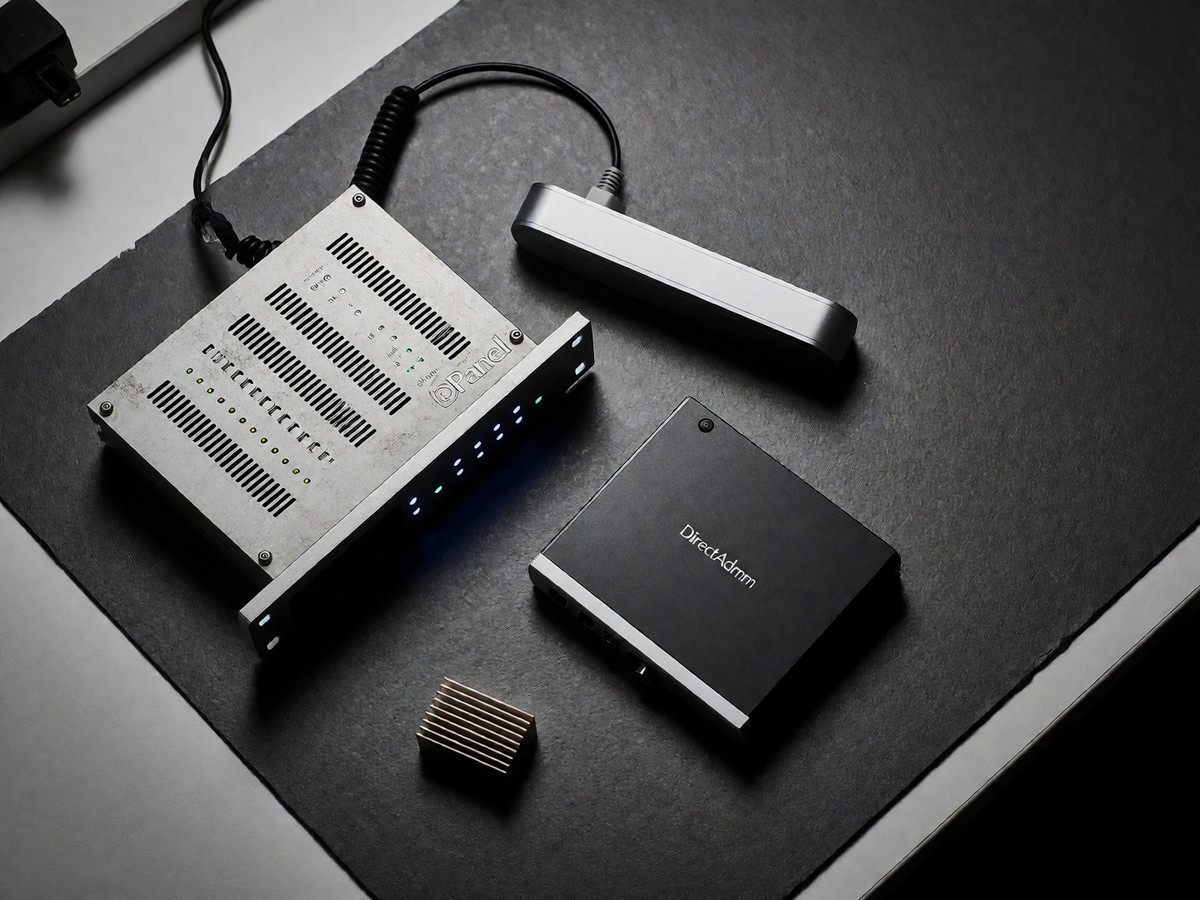
Millions of websites rely on cPanel to manage hosting, applications, and infrastructure. The platform has maintained a reputation for stability over more than 20 years, a factor that drives high-growth businesses to invest in its reliability. While competitors like Plesk remain widely recognized for their simplicity, cPanel distinguishes itself through integrated AI-native workflows. These tools allow teams to build sites, deploy apps, and troubleshoot issues with intelligent assistance. The shift toward automation is no longer optional; it is the baseline for modern server management.
AI Integration and Security Architecture
cPanel embeds AI directly into the user experience, enabling permission-scoped MCP access for everyday tasks. This architecture supports automated billing and customer management, simplifying support workflows for providers. Security remains a core pillar, powered by a self-learning firewall that provides herd immunity against sophisticated attacks. The system applies security patches to running kernels without requiring reboots, which keeps Linux servers operational during updates. A non-intrusive WP Toolkit add-on runs in the background to auto-patch themes and plugins against malware, even for abandoned sites. This level of proactive defense addresses the persistent threat landscape that manual patching often misses.
| Feature | Function |
|---|---|
| Self-Learning Firewall | Provides herd immunity against attacks |
| Kernel Patching | Installs updates without rebooting servers |
| WP Toolkit | Auto-patches WordPress themes and plugins |
| AI Workflows | Assists in site building and troubleshooting |
The integration of these tools creates a unified environment where performance and protection scale together. Providers can host more sites while improving server performance, offering a secure environment for customers. However, the reliance on automated systems raises questions about human oversight. If an AI agent makes a misconfiguration, who is responsible? The answer remains unclear in current documentation.
Market Position and Provider Trust
Hosting providers choose cPanel specifically because it is a platform with proven stability. One provider noted they selected WebPros and cPanel over other solutions because they need infrastructure they can trust when building a high-growth business. The ease of use is a significant differentiator; customers appreciate the simplicity, which reduces training costs and support tickets. cPanel is considered the best environment for deploying and managing WordPress hosting through integrated apps. This specialization allows providers to offer niche services without complex custom setups.
Plesk also holds value in the market, particularly on platforms like DigitalOcean Marketplace. Both control panels serve distinct roles, but cPanel’s focus on enterprise-grade security and automation gives it an edge in competitive environments. The ability to automate everyday tasks faster with intelligent assistance means teams can move quicker. Yet, this speed comes with a trade-off: less manual control. For administrators who prefer granular, hands-on management, the automated nature of cPanel might feel restrictive. The question of whether full automation outweighs the need for direct control remains unanswered.
Providers must weigh the benefits of stability against the complexity of new features. cPanel’s long history ensures that the core functions work reliably, but the addition of AI requires careful implementation. Teams must understand how permission-scoped access works to prevent unauthorized actions. The platform’s design for virtual environments makes it ideal for fluctuating bandwidth needs. Dedicated environments benefit from the ultimate amount of control and resources provided by the software.
In summary, cPanel stands out due to its combination of historical reliability and modern AI capabilities. It is not just a tool for managing files; it is a comprehensive system for handling infrastructure. The decision to adopt cPanel often hinges on the need for trust and efficiency. As hosting providers reconsider their strategies, the clear advantage lies in choosing a platform that balances security, automation, and ease of use. The future of hosting depends on these integrated systems, and cPanel is positioned at the forefront of that evolution.

Technewsdaily
Senior tech writer covering AI, gadgets and cybersecurity. Breaking down the news that matters, every day.