Oxide’s hardware shift and the Outposts dilemma
Oxide has shipped its first 3000-pound server rack featuring a Rust-powered Hubris operating system. This integrated approach offers hyperscaler-style agility for private data centers, providing an alternative to AWS Outposts rental models and Dell's commoditized hardware.

The integrated Oxide rack
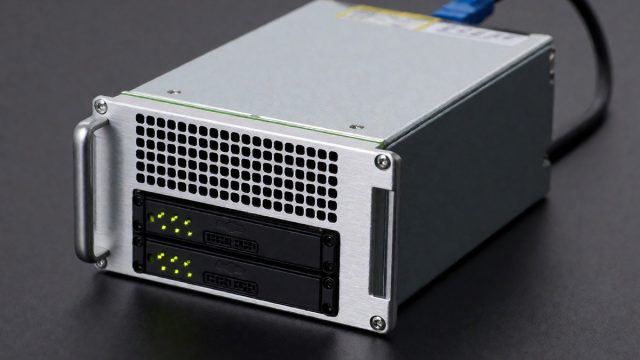
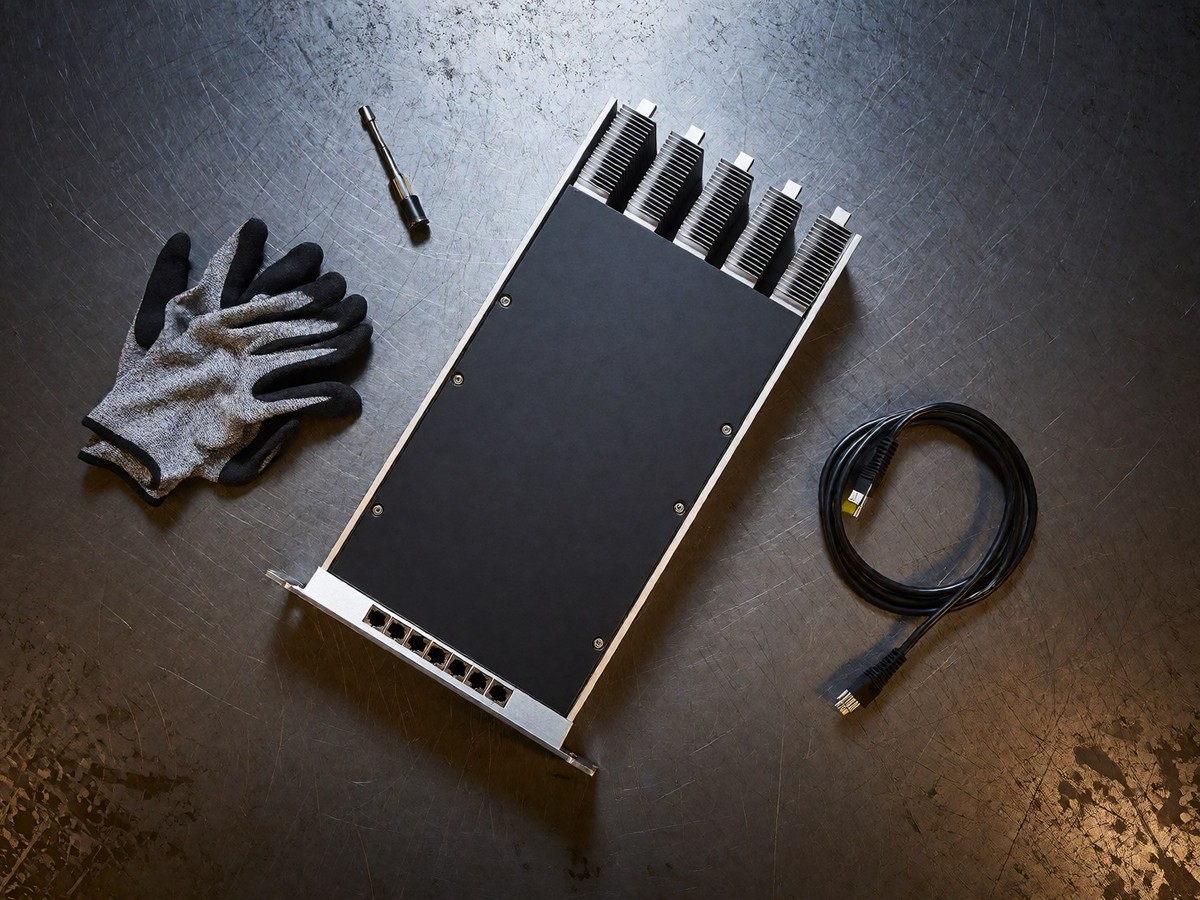
Oxide shipped its first 3000-pound server rack on June 30. This hardware uses a 32-sled design where each individual sled pools an AMD CPU, DRAM, and storage into a single resource pool. Deployment takes three hours from box to rack once you connect the system to power and the network. The company manages the stack with its own firmware, hypervisor, and control plane. The system replaces the traditional BIOS with Hubris, an all-Rust operating system that runs on a custom service processor. I find the decision to eliminate the BIOS to provide better reliability a significant shift for data center management. This $44 million Series A round, led by Eclipse with participation from Intel Capital and Rally Ventures, allows the company to bring this vision to a broader market. The founders, Steve Tuck and Bryan Cantrill, bring two decades of experience from companies like Dell and Joyent to this new hardware. They founded the company in 2019 and have worked to build this solution for the last four years. The company has raised a total of $78 million to date. This integrated approach aims to bring hyperscaler-style agility to the private data center. Does the removal of the traditional BIOS create compatibility issues for existing workloads?
AWS Outposts rental constraints
AWS Outposts functions as a rental rather than a way to own capacity. You pay for the hardware and then pay hourly for the instances you run. The top-tier configuration, which provides 576 cores and 9.2TB of DRAM, costs $900,000 for those customers who are fully prepared to make a massive and significant capital investment in their local on-premises capacity. Other configurations, such as those for development and testing, cost approximately $246,000. This product ties your on-premises environment to a specific AWS region, so updates to that region can make your Outposts compute unavailable in the middle of the day. I skip the Outposts option for any team that wants to control its own fate because you do not own the hardware. You can choose to pay all up front or pay in monthly installments with a 50% downpayment. For those taking a mortgage on their outpost, Amazon sets interest rates around 7% to 8%, which drops by 0.7% with a 50% downpayment. To order an Outpost, you must subscribe to AWS Enterprise Support. For teams needing specific forms, the 1U high server is 24 inches deep and uses Graviton2 processors, while the 2U high server is 30 inches deep and uses 3rd generation Intel Xeon Scalable processors. These 42U racks support services like EC2, ECS, EKS, EBS, and S3. The heavy weight of these racks also creates shipping and logistical challenges.
Comparing the infrastructure stacks
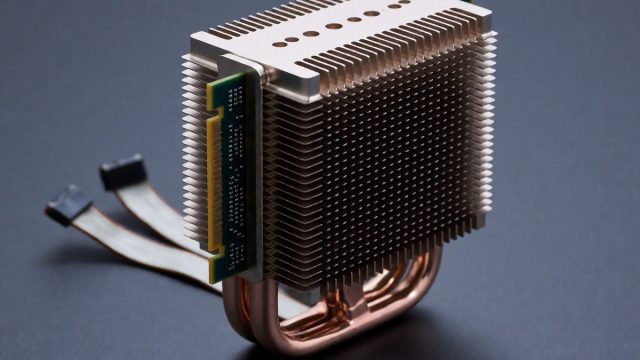
Teams choosing between Oxide and AWS Outposts must weigh the benefits of ownership against the convenience of a cloud extension. Oxide offers a hardware and software stack designed for tight integration, whereas AWS Outposts acts as an extension of a public cloud region. Dell provides commodity hardware that lacks the deep software-hardware co-design found in Oxide’s integrated rack. I would avoid AWS Outposts if your primary goal involves running workloads in your own facility without being tethered to a provider’s remote updates. The Oxide system uses 80-millimeter fans to move air with much less energy than standard servers. While Oxide provides its own networking switch and power shelf controller, AWS Outposts requires a connection to a broad range of services available in the AWS Region. Oxide aims to bring hyperscale computing to server customers everywhere by treating the system as a true rack-scale design. You should know that Dell’s business model relies on assembling standard, commoditized parts, which differs from the vertical integration attempted by Oxide.

Technewsdaily
Senior tech writer covering AI, gadgets and cybersecurity. Breaking down the news that matters, every day.