Home Assistant leads the local smart home era
Home Assistant is outpacing cloud platforms like Alexa and Google Home by utilizing Matter for local device control. This shift improves speed and privacy, with one user reporting that the platform powers 90 percent of their automations without relying on Big Tech servers.

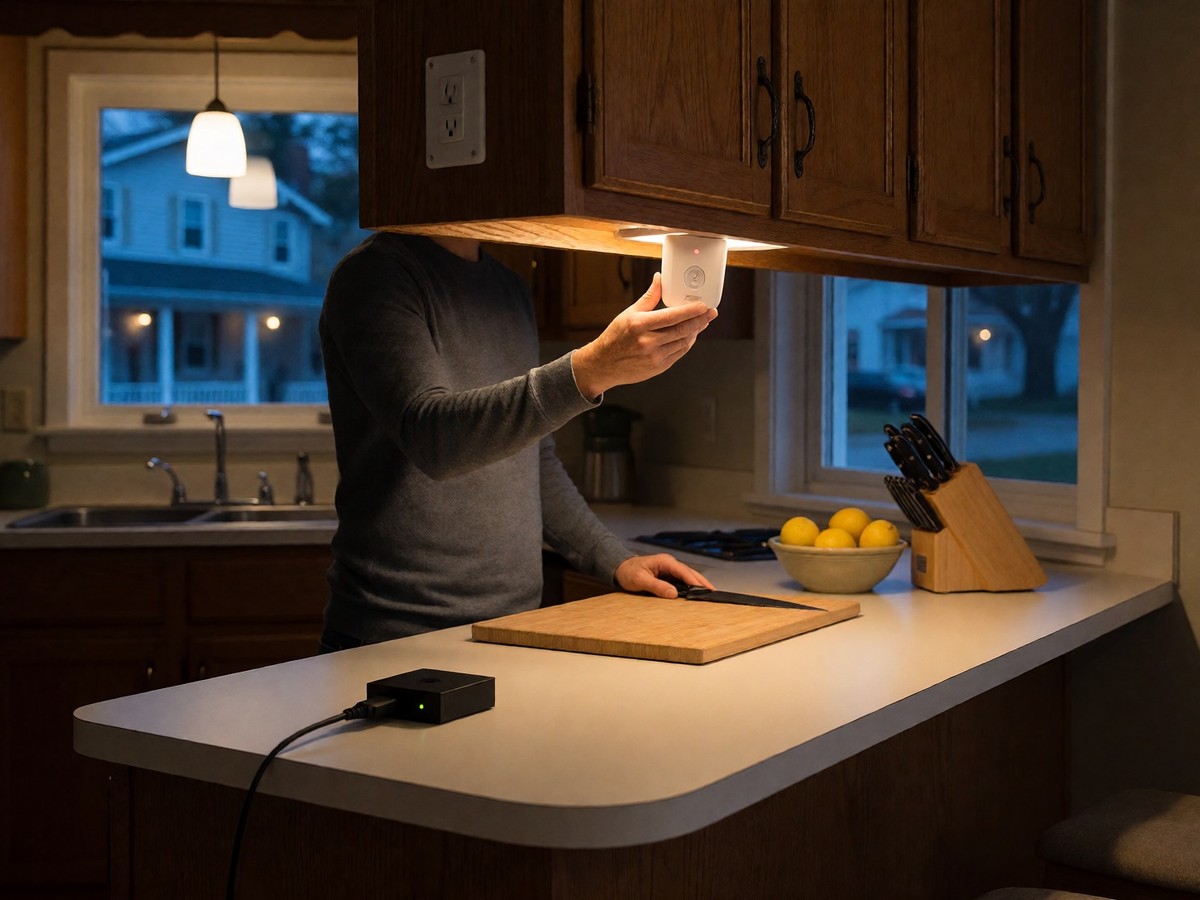
The shift toward local control
Home Assistant uses Matter to manage the majority of smart home devices locally. This local execution improves the speed of motion sensors and increases system stability. I see that many users abandon cloud platforms like Google Home or Amazon Alexa to avoid Big Tech spying on their daily habits. Home Assistant allows for the tracking of energy usage, bedroom temperatures, fridge door openings, and room air quality without cloud involvement. The combination of Home Assistant and Matter means that most devices work locally, which improves security and ensures that motion sensors trigger lights much faster than cloud-based alternatives. While Alexa handles many tasks, its cloud dependency makes it unreliable for critical automations. You probably already know that cloud-based assistants often struggle with latency. Home Assistant treats devices as entities, which lets you use specific features like a thermostat’s humidity reading to trigger an air conditioner. This approach lets you see devices split into specific functions rather than just as whole units. One user noted that Home Assistant powers 90 percent of their automations. I have seen users replace discontinued Nest Protect smoke alarms and poor Nest Cams with Reolink cameras that provide local storage without requiring subscriptions.
Development and device scale
Developer activity drives the growth of open source tools. GitHub reports that home-assistant/core is a top framework for contributors. Python remains the most used language on the site. The scale of device support differs significantly between companies. Google Assistant supports 5,000 products, but Alexa supports 4,000. This number for Google grew from 1,500 products in January. Samsung SmartThings and Apple HomeKit support only about 200 devices each. Why do manufacturers continue to favor closed ecosystems? Professional installation services like Josh.ai target a different market by charging upwards of $10,000 for systems that use a proprietary natural language processing stack. GitHub data shows that generative AI contributions increased by 59 percent in 2024. Google Home launched with support for Philips Hue, Nest, Samsung SmartThings, and IFTTT. Google’s Gemini for Home now replaces the older Google Assistant for most users. The Google Home Mini is 3.86 inches in diameter and 1.65 inches high, and it uses a 40mm driver to provide 360-degree sound. It provides weather and traffic reports. Setting up the Mini takes about six seconds with the Google Home app.
Pricing and privacy trade-offs
Subscription models create new hurdles for users. Users pay $6.50 per month for Home Assistant cloud access to import automations into Alexa. Google offers two tiers of Home Premium: Standard for $10 and Advanced for $20. Amazon charges $20 per month for Alexa+. Amazon also owns Ring, which allows law enforcement to request footage directly from users. I find that the privacy trade-off is the biggest issue for those using Amazon or Google hardware. Amazon even killed the "Do Not Send Voice Recordings" feature to ensure all recordings go to their servers. The Amazon Echo ecosystem began in 2012 with the first Echo speaker, and Amazon now maintains 11 main models of smart speakers and displays. Amazon’s Alexa+ costs $20 a month unless you have Amazon Prime.
| Service | Monthly Cost |
|---|---|
| Home Assistant Cloud | $6.50 |
| Google Home Premium Standard | $10.00 |
| Google Home Premium Advanced | $20.00 |
| Amazon Alexa+ | $20.00 |

Technewsdaily
Senior tech writer covering AI, gadgets and cybersecurity. Breaking down the news that matters, every day.