Market shifts and hardware in the Jellyfin ecosystem
Jellyfin reached 51.2% market share among self-hosters in 2024, surpassing Plex following pricing changes. The open-source platform offers free hardware transcoding and remote access, attracting users seeking privacy and control over their media libraries.

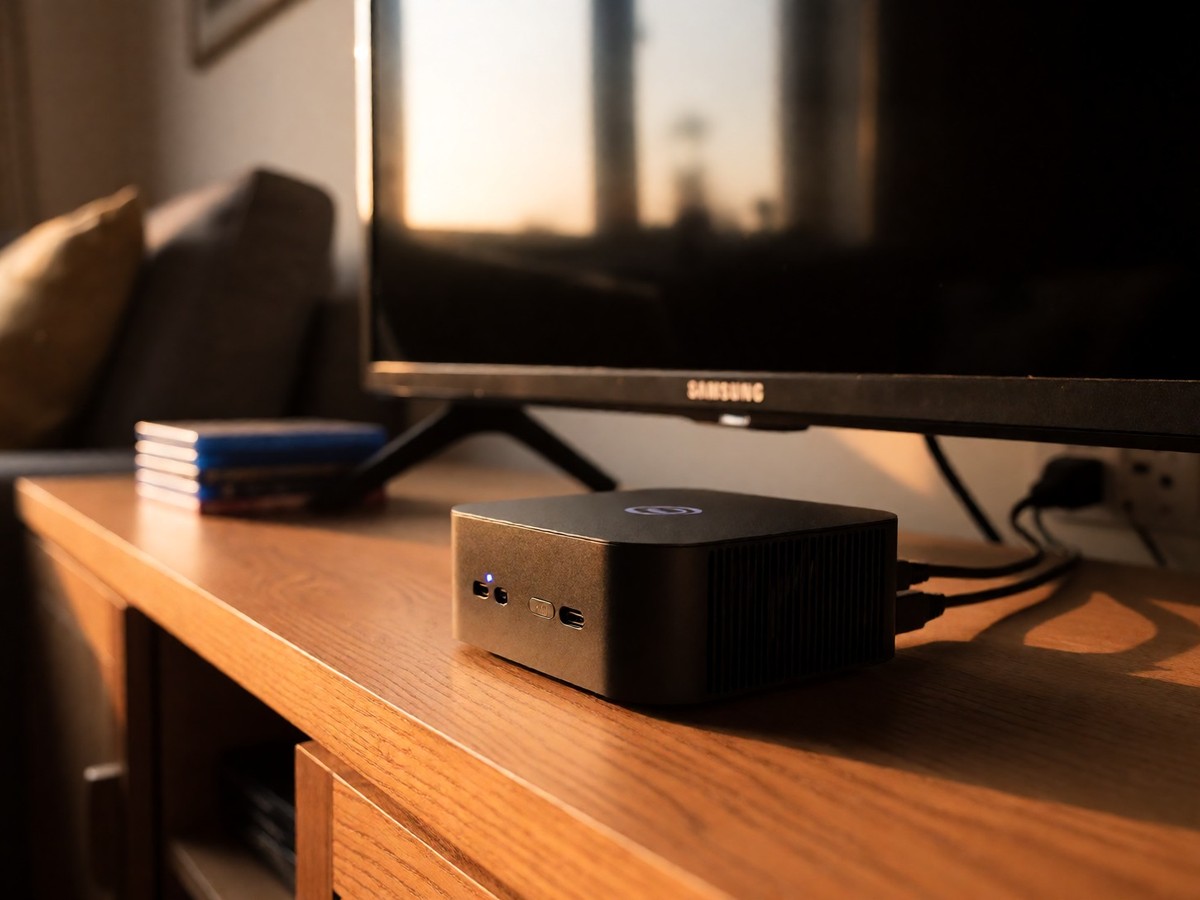
Jellyfin reached 51.2% market share among self-hosters in 2024. This figure surpassed Plex, which held 36.9% of the same market. Jellyfin is an open-source fork of Emby. The Emby project moved development behind closed doors in 2017. Linux powers 84.2% of self-hosted media server deployments. Debian-based distributions account for 72.7% of these Linux installations. Docker Compose runs on 83.2% of containerized media server deployments. Proxmox has a 43.1% adoption rate. Many users run bare metal servers with 37.1% adoption. Single board computers have a 47.2% adoption rate among these users. Raspberry Pi holds 83.5% of the single board computer market. The Intel N100 mini PC is a popular choice for 4K transcoding because it is affordable. Commercial NAS users favor Synology with a 62% market share. QNAP has a 14.3% share and custom-built systems account for 11.2%. Storage capacity among NAS users concentrates in larger installations. The 11-20TB range leads at 25%, followed by 21-50TB at 24%. Users with more than 50TB represent 15.6% of the NAS population.
Access and pricing differences
Plex changed its pricing in 2025. The company paywalled remote streaming of personal media libraries on April 29, 2025. The decision by Plex to paywall remote streaming of personal media on April 29, 2025, forced many users to move their libraries to Jellyfin to maintain control over their media without any subscription. Jellyfin is entirely free. It does not require a third-party account. It does not phone home to central servers. You probably know the frustration when a service you own suddenly requires a new subscription to function. Plex is a commercial product. It has 25 million monthly active users. A December 2025 poll found that 30% of users switched to competitors. 46% of users considered leaving the platform.
| Feature | Jellyfin | Plex | Emby |
|---|---|---|---|
| Hardware Transcoding | Free | Paid | Paid |
| Account Required | No | Yes | Optional |
| Remote Access | Free (with config) | Paid | Paid |
| Live TV / DVR | Free | Paid | Paid |
Plex requires a Plex account to function. This account requirement is a problem for privacy-minded users. Jellyfin is the preferred choice for people who want total control. The Jellyfin 10.11 update included a system backup tool. This tool protects the database and metadata from loss. The update also includes a startup interface for administrators. This interface shows a log readout during the boot process. This helps administrators see that the server is functioning during the boot process. Does the growth of Jellyfin mean Plex will eventually lose its mainstream audience?
Automation and the ecosystem
Jellyfin has a large plugin ecosystem. There are over 70 third-party clients. Plugins include tools for anime metadata and Discord notifications. The Intro Skipper plugin is a popular community tool. Users can also use Jellywatch to monitor server health. Jellyfin 10.11 also includes an aggressive metadata caching engine. This engine uses more RAM to make the interface more responsive. The search function also received optimization to make finding movies faster.
Hardware transcoding is available for free in Jellyfin. Users can select Intel QuickSync or Nvidia NVENC in the settings. This is a major advantage over Plex. Plex locks hardware acceleration behind the Plex Pass. Emby also requires a paid Premiere subscription for hardware transcoding. Jellyfin apps on some smart-TV platforms, especially older Samsung and LG models, are rough. Jellyfin 10.11 also dropped support for 32-bit ARM processors like the Raspberry Pi 1 and 2 because those devices struggle to run the software even without transcoding tasks.
Automation is common in these setups. The arr stack includes Sonarr for TV, Radarr for movies, and Lidarr for music. Prowlarr manages indexers, while Bazarr pulls subtitles. Seerr is the successor to Overseerr and Jellyseerr, and it supports Jellyfin, Plex, and Emby.

Technewsdaily
Senior tech writer covering AI, gadgets and cybersecurity. Breaking down the news that matters, every day.