October 2026’s Mycroft surge: Mythic vs Neon
Neon AI and OpenVoiceOS lead the development of private, conversational AI tools following the dissolution of Mycroft Group Limited. Developers are repurposing Mycroft Mark II hardware as Home Assistant satellites using local tools like Whisper and Piper for improved privacy.

The Mycroft legacy and community transition
Mycroft Group Limited dissolved via voluntary strike-off on February 4, 2025. This followed the February 2024 migration of the Mycroft AI community to the Open Conversational AI community. Neon AI manages forum hosting and moderation for this group. Neon AI and OpenVoiceOS took over development of the private personal voice assistant projects that Mycroft started. The original Mycroft project struggled with the Mycroft Mark II crowdfunding campaign due to mismanagement and production delays. Mycroft raised about $5 million from investors and the community since its founding in 2015. Joshua Montgomery, the founder, described Mycroft as a platform similar to Alexa or Google Assistant. While the company produced the Mark I speaker, about 90 percent of the user base used their own devices like Raspberry Pi or desktops. The company also developed Picroft, which runs on Raspberry Pi 3 or 4. The default configuration of Mycroft is cloud-based, though users can choose where their voice data goes. Some developers leverage pieces of the Snips technology, which Sonos acquired, through Project Alice. Project Alice strives to remain modular and offline. Other developers use Rhasspy and voice2json, which are sister projects from the same maintainer.
Repurposing the Mark II hardware
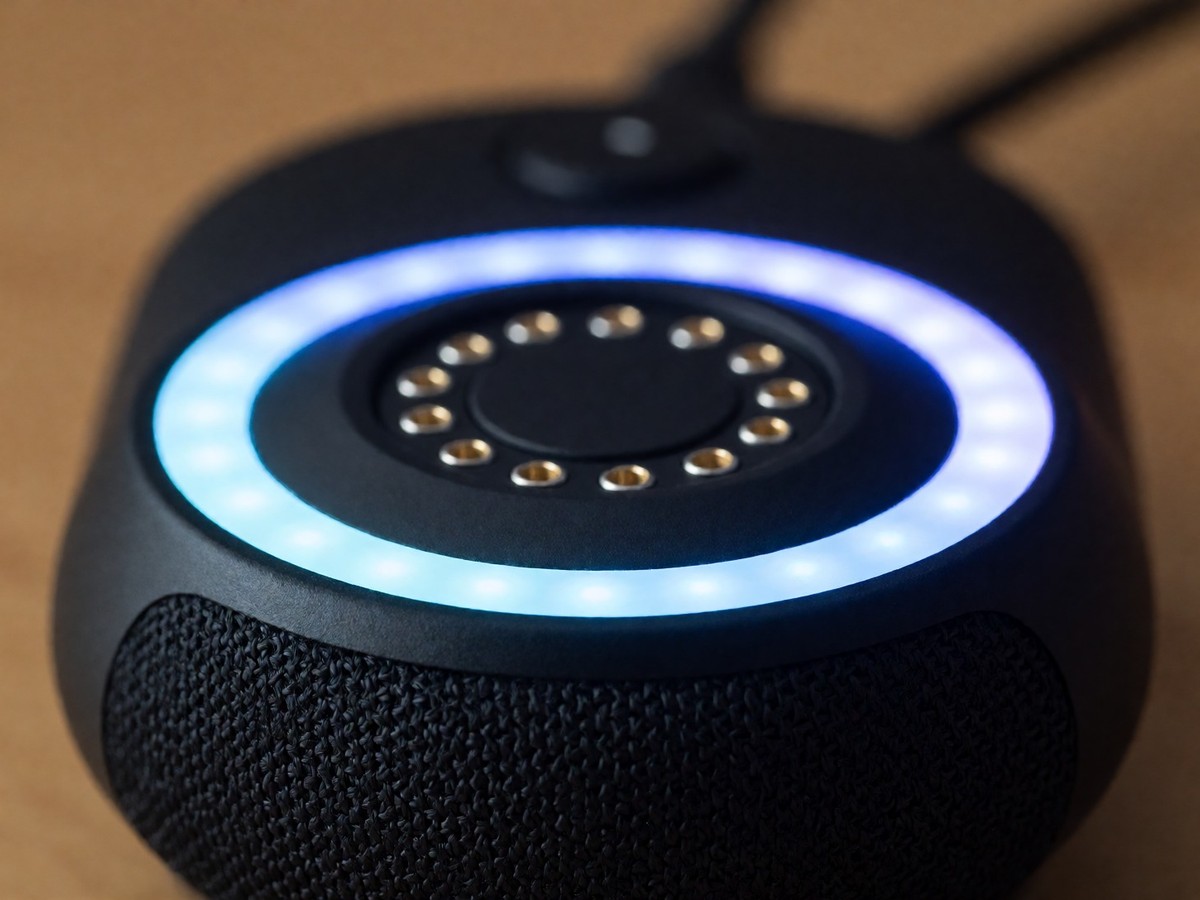
Developers repurpose the Mycroft Mark II as a Home Assistant satellite. The Mark II is a smart endpoint providing a microphone, speaker, touchscreen, LED ring, and buttons. This setup utilizes Raspberry Pi OS Lite (Trixie/Debian 13) and includes SJ201 hardware drivers. Because the Mark II hardware remains functional, users can repurpose the device as a smart endpoint that provides a microphone, speaker, touchscreen, LED ring, and buttons to serve as a voice satellite within a Home Assistant ecosystem. The integration relies on specific hardware drivers like the VocalFusion kernel module, XVF-3510 firmware, TAS5806 amplifier, and WirePlumber profile. The LED ring uses NeoPixel on GPIO 12 rather than I2C. The system includes an animated face overlay and a kernel watchdog that rebuilds the VocalFusion module after kernel updates.
| Component | Software/Hardware Option |
|---|---|
| Wake word | openWakeWord (local) |
| STT | Whisper (local or cloud) |
| TTS | Piper (local), Nabu Casa, or OVOS |
| Conversation | HA, OpenAI, Claude, or OVOS |
The installation process takes 20 to 40 minutes and covers all 10 Mark II components. It includes the DSI touchscreen and the TAS5806 amplifier. The setup uses Weston as the Wayland compositor. The system supports Snapcast multiroom audio, AirPlay via shairport-sync, and MPD local music players. It also includes KDE Connect phone integration and MQTT sensors that publish voice state and CPU temperature to Home Assistant. The hardware test suite verifies all components before the user proceeds. Solving the XMOS XVF-3510 audio routing in PipeWire remains a difficult task for users. Some users also use a 6-mic array for the Raspberry Pi to aid speech recognition.
The performance of modern voice agents
The EVA evaluation framework from ServiceNow shows a direct tradeoff between accuracy and conversational experience. Researchers use EVA to measure how a bot might successfully book a flight while overwhelming the caller with robotic verbosity. Models optimized for task completion frequently produce poorer user experiences. Misheard confirmation codes derail entire interactions. The current market includes providers like OpenAI, ElevenLabs, and Cartesia. OpenAI shipped Realtime-2 on May 7, 2026, which incorporates GPT-5 reasoning. ElevenLabs released Eleven v3 on February 2, 2026, providing 74 languages and audio tags. Cartesia Sonic-3 reached general availability in April 2026. ElevenLabs also achieved AIUC-1 certification in February 2026.
Vendor-reported benchmarks are marketing copy with measurements attached. The 2026 TTS market contains three tiers: expressive offline models, real-time agent models, and high-volume cheap models. Vapi Voices Beta launched in December 2025 at $0.0025 per minute. Microsoft launched MAI-Voice-1 in April 2026. ElevenLabs implemented a pricing reset in May 2026 that cut prices by up to 55%.
If you are a developer, the choice between these models depends on latency and cost. Assistants are reactive tools that perform tasks when a user asks. Agents are proactive tools that plan and take actions toward a goal. Natural dialogue requires voice-to-voice responses under 1,500ms. The distinction matters because an agent must handle unexpected terminology and coordination. Typical moderate-scale deployments cost between $400 and $1,200 per month. Neon AI and OpenVoiceOS lead the development of private, conversational AI tools. Neon AI holds the hosting and moderation responsibilities for the community. Will the mass-market models ever resolve the latency tail problem? Neon AI and OpenVoiceOS win the race for open-source privacy.

Technewsdaily
Senior tech writer covering AI, gadgets and cybersecurity. Breaking down the news that matters, every day.