The future of product reviews
Consumer feedback drives significant revenue growth, with conversion rates for high-priced items increasing by 380% when reviews are displayed. Brands use sentiment analysis and AI moderation to identify market gaps and improve product quality based on customer complaints.

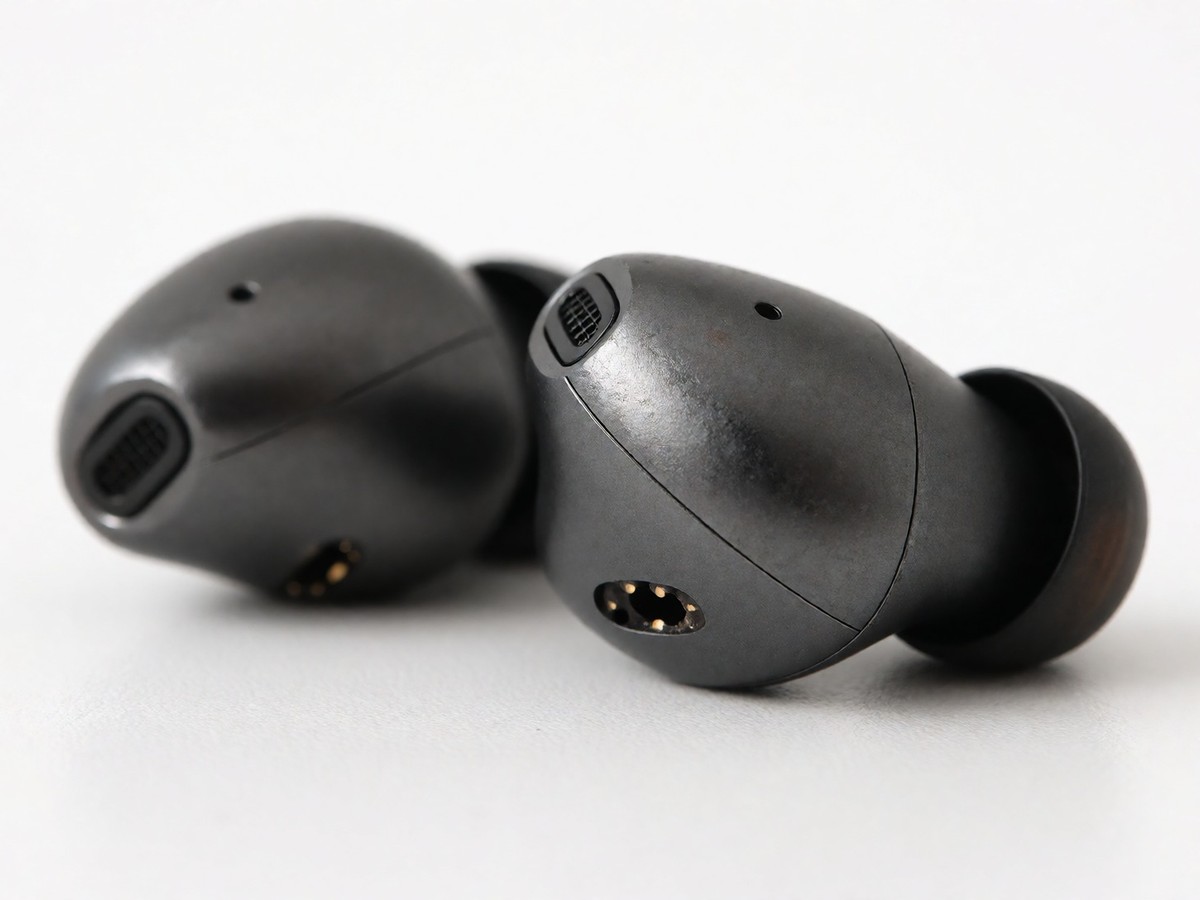
Amazon Basics optimizes its products by analyzing thousands of customer reviews. This practice allows brands to capture the Voice of Customer, providing deep insights into specific attributes like battery life or texture. Modern e-commerce managers use sentiment analysis to uncover consumer behavior and product expectations. A fitness brand switched to more durable materials for its resistance bands after reading customer complaints, which resulted in a 60% drop in negative reviews and a significant boost in repeat customers across their entire online store. An electronics brand improved its wireless earbuds by using sentiment analysis to address complaints about fit and battery life, which eventually increased its product ratings from 3.8 to 4.6 stars.
Data confirms the direct link between feedback and revenue. 95% of consumers read online reviews before making a purchase, while 72% trust these reviews more than a brand’s own product description. PowerReviews found that 97% of consumers read product reviews and ratings before making a purchase decision. The conversion rate for higher-priced products increases by 380% when reviews are displayed, whereas the conversion rate for lower-priced products increases by 190% when reviewers provide social proof for potential buyers. A skincare brand launched a fragrance-free version after customers mentioned a strong fragrance as a downside, making it one of their best-selling products.
Brands also find market gaps through reviews. If multiple customers ask for a specific feature, color, or size, they indicate a clear demand. Only 5 to 10 percent of consumers take the time to write an online product review, so brands must actively collect this data.
Managing authenticity in the AI era
AI now handles 80% to 95% of the moderation and response drafting that used to require manual labor. This shift allows for rapid pattern detection. However, detection technology faces technical hurdles. Pangram reports a 1-in-10,000 false-positive rate based on the COLING 2025 benchmark. Still, Stanford University found that seven GPT detectors misclassified 61.22% of TOEFL essays written by non-native speakers as AI-generated.
Modern review management systems prioritize automated pattern detection and sentiment analysis over manual policing. You should recognize that perfect five-star ratings often trigger suspicion among shoppers. Purchase likelihood typically peaks when ratings fall between 4.0 and 4.7 stars. Consumers generally expect an average rating of at least 3.3 stars before they commit to a purchase. Furthermore, 42% of people say they have encountered fake reviews.
Detectors struggle with mixed content where humans edit AI drafts. Recursive paraphrasing can reduce detection rates while maintaining text quality. Many businesses use AI to write product descriptions or responses, but these workflows produce text that sits in a gray area for current tools. Originality.ai provides AI detection and plagiarism checks, while GPTZero provides sentence-level flagging for editors. Can technology ever reliably distinguish between a human-edited AI draft and a purely human-written text?
Compliance, regulation, and specialized programs
The FTC monitors deceptive review practices to protect consumers. In 2022, the FTC ordered Fashion Nova to pay $4.2 million because the retailer suppressed reviews with ratings lower than four stars to misrepresent the true opinions of its various customers. This order requires the company to maintain records of all consumer complaints regarding reviews for ten years. Fashion Nova also settled a separate complaint in 2020 by paying $9.3 million to refund consumers and the FTC. A 2023 survey from BrightLocal found that 49% of customers trust product reviews as much as recommendations from loved ones.
Amazon provides the Vine program to help brands build social proof. Brands enroll products and provide free units to selected reviewers known as Vine Voices. These reviewers receive the product for free and leave honest reviews that carry a label indicating they obtained the product for free.
| Feature | Amazon Vine Specification |
|---|---|
| Review Threshold | Fewer than 30 reviews on detail page |
| Reviewer Timeline | 30 days from receipt to submission |
| Enrollment Period | 90 days from inventory availability |
| Eligibility | Must be in Amazon Brand Registry |
Variations in a product family share reviews, meaning a new color option might inherit the review count of the parent listing. This inheritance can make a new product ineligible for Vine if the parent has too many reviews. Amazon fulfills the products, and the brand must ensure the item is in stock to participate.

Technewsdaily
Senior tech writer covering AI, gadgets and cybersecurity. Breaking down the news that matters, every day.