Jira vs Linear: Which Comes Out Ahead for Product Teams
Jira offers broad enterprise integration and agentic capabilities, while Linear focuses on high-velocity product development. Jira supports complex multi-department workflows, whereas Linear streamlines code reviews and issue routing for over 50,000 product teams.

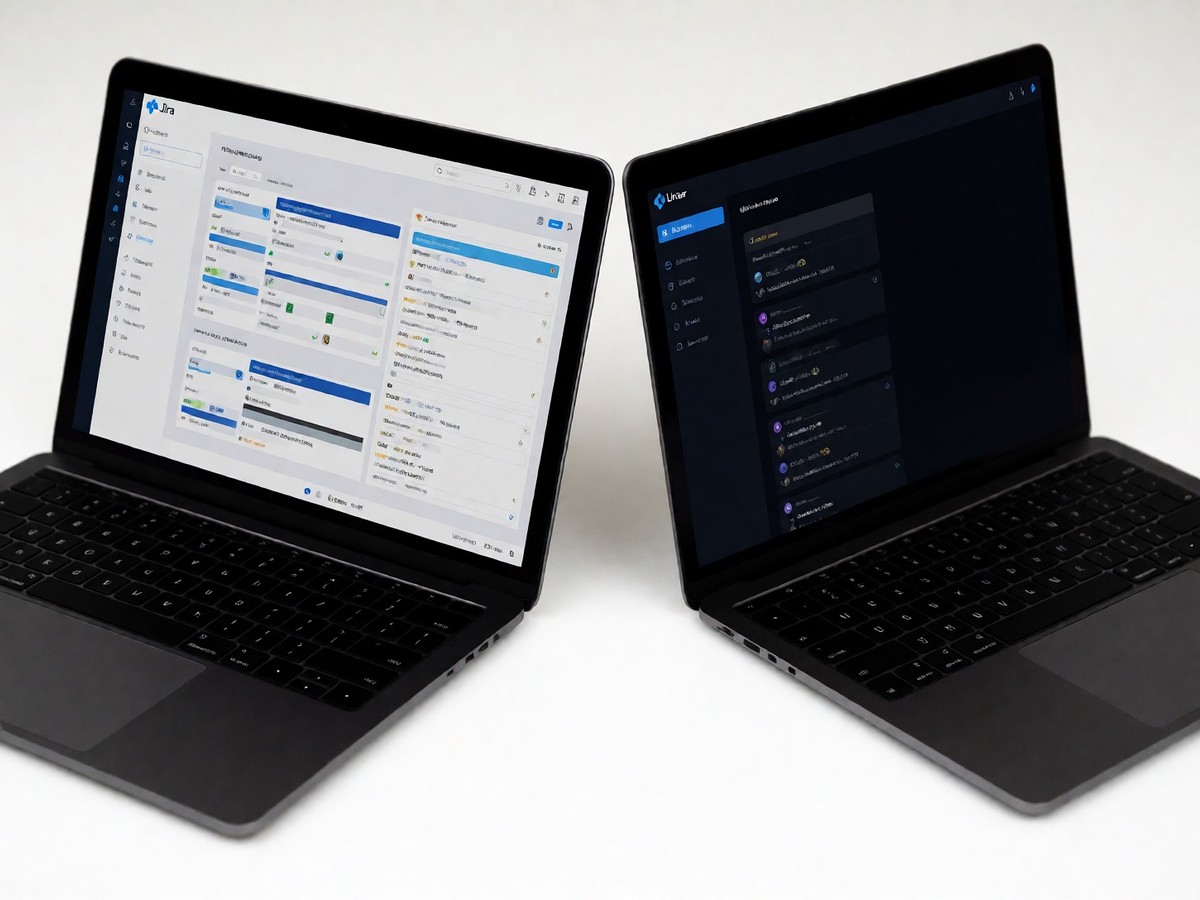
Jira, the issue-tracking product developed by Atlassian, is used globally for project, time, requirements, task, bug, change, code, test, release, sprint management. The name comes from the last two syllables of Gojira, the Japanese name for Godzilla, and originated as a nickname for Bugzilla. Launched in 2002 purely for software developers, it later adopted non-IT organizations after the 2012 launch of the Atlassian Marketplace allowed third-party plugins like BigPicture and Advanced Roadmaps. Today, Jira positions itself as a system of action where AI coding agents receive terminal access to the Teamwork Graph via MCP or CLI. One organization reduced setup costs from $2.8 million to $600,000 by tracking everything in Jira, cutting the timeline from 18 months to six.
Jira’s Enterprise Scale and Agentic Integration
Jira clearly wins on breadth when teams need to connect design, marketing, HR, operations, and engineering into one shared place. The platform turns a system of record into a system of action by giving every user access to agentic patterns and automations, regardless of technical skill. This capability becomes a property of the system rather than just the individual, raising the floor for what every team can do. Marketing teams manage their work as sprints in Jira, proving that these workflows apply beyond technical departments. The enterprise search bar finds anything across Jira, Confluence, and connected apps, delivering real answers instead of a list of links.
The integration depth is substantial because Jira connects with source control programs such as Git, Mercurial, Perforce, Subversion, and Team Foundation Server. It implements the Networked Help Desk API for sharing customer support tickets with other issue tracking systems. Jira Service Management, originally launched in 2013 as Jira Service Desk, now includes incident management and on-call alerting functionality from Opsgenie. The product holds current ITIL 4 certification through PeopleCert’s Accredited Tool Vendors program, although its previous PinkVERIFY certification lapsed in 2024. This extensive ecosystem supports complex organizational structures but introduces significant overhead.
One negative observation stands out: a cross-site scripting vulnerability in April 2010 led to the compromise of two Apache Software Foundation servers and exposed unsalted password hashes. Atlassian admitted a legacy database with plain text passwords was also compromised. While security has improved since then, the history of data exposure remains a factual risk factor for sensitive environments. The platform requires Java and uses the Pico inversion of control container, which adds complexity to on-premises deployments. For large enterprises needing strict audit trails and multi-department visibility, Jira provides the necessary infrastructure. However, the sheer volume of features can slow down daily interactions for smaller teams who only need core issue tracking.
Linear’s Focus on Velocity and Craft
Linear reduces noise and restores momentum to help teams ship with high velocity and focus. It is designed for workflows shared by humans and agents, covering the entire cycle from drafting PRDs to pushing PRs. The tool automatically turns conversations and customer feedback into actionable issues that are instantly routed, labeled, and prioritized for the right team. Users can build and deploy AI agents that work alongside them as teammates, delegating entire issues end-to-end. One user noted that they will probably build a better product just because of the craft that using Linear infuses on their brain.
Linear powers over 50,000 product teams, ranging from ambitious startups to major enterprises. The interface streamlines code reviews with clear diffs, better context, and fewer back-and-forth comments, keeping PRs moving without sacrificing quality. A specific example shows an agent reviewing an issue, drafting complete offline mode requirements, and breaking the work into sub-issues with open product decisions and acceptance criteria. This level of automation handles the tedious parts of product development so engineers can focus on implementation. The system aligns teams with product initiatives, strategic roadmaps, and clear, up-to-date PRDs.
The primary criticism of Linear is its narrower scope compared to Jira’s all-encompassing approach. It does not provide the same level of integration for non-technical departments like HR or legal request handling, which Jira Service Management covers under ESM applications. Teams relying on heavy compliance frameworks or complex ITIL processes may find Linear lacking in those specific administrative areas. Yet for pure product development speed, Linear’s opinionated structure eliminates decision fatigue. You should choose Linear if your priority is shipping software quickly with minimal friction. Choose Jira if you need a single platform for every department in your company. Which tool actually saves more time in your specific workflow?

Technewsdaily
Senior tech writer covering AI, gadgets and cybersecurity. Breaking down the news that matters, every day.