The history and evolution of Home Assistant from 2013 to 2026
Paulus Schoutsen founded Home Assistant in 2013 to prioritize local control and privacy. The platform competes with OpenHAB by offering rapid integrations and local voice processing through the Assist pipeline, which responds in under 500ms.

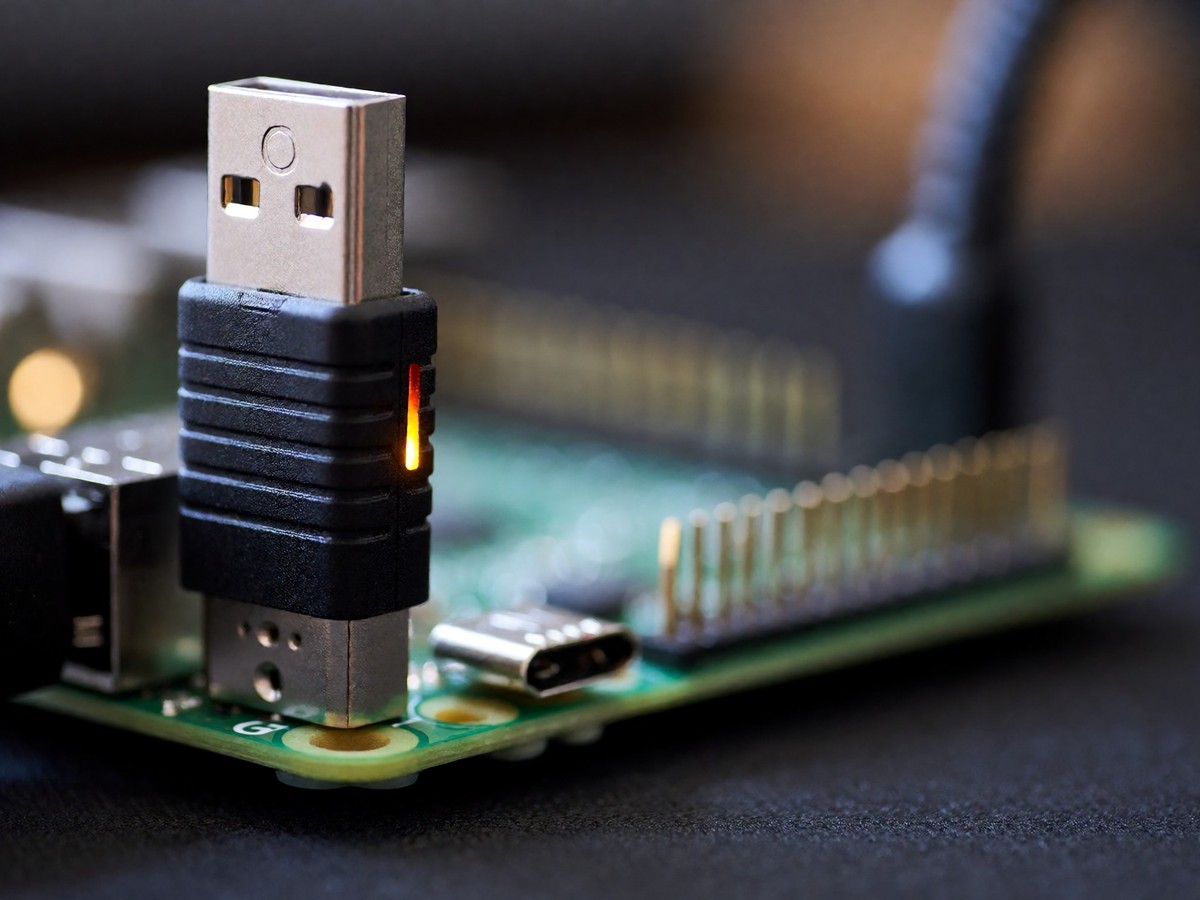
Paulus Schoutsen started Home Assistant in 2013 to prioritize local control and privacy. The project grew because users wanted to escape cloud-dependent systems like Philips Hue, which forced account creation to maintain bulb functionality. By 2023, the global home automation market reached $112.7 billion and grows at a CAGR of 22.8% toward $715.6 billion by 2032. This growth follows a massive increase in IoT-connected devices, which jumped from 30.73 billion in 2020 to a projected 75.44 billion by 2025. In the United States, 46% of consumers increased their spending on home technology in 2022, with smart TVs seeing a 55% uptick and security systems seeing a 23% uptick during that same period. The Asia Pacific region leads the global market with a 42.91% share, driven by rapid urbanization in China and India. In 2021, China accounted for 30% of the global smart home devices market. Many enthusiasts use a ConBee II dongle and a Raspberry Pi to bypass cloud requirements via Zigbee. In 2023, voice shopping reached $20 billion in sales, a massive jump from the $2 billion seen in 2018. This shift drove demand for smart speakers, with worldwide shipments increasing from 124 million units in 2019 to 200 million by 2023. I find that this local approach avoids the vendor lock-in that plagues many modern smart devices.
OpenHAB and Home Assistant compete
OpenHAB and Home Assistant compete for the same enthusiasts, but they run on different foundations. OpenHAB uses Java and targets users who want a stable, offline-first system that requires fewer updates. This platform suits users who prefer a diesel engine with long-term reliability and a steeper learning curve. Home Assistant uses Python and targets tinkerers who want a modern interface and rapid integration of new technologies. You know the basics of local-first hardware, so I will focus on the software differences. Home Assistant has a broader range of integrations and uses a graphical editor alongside YAML.
| Feature | Home Assistant | OpenHAB |
|---|---|---|
| Core Language | Python | Java |
| User Interface | Graphical/YAML | Add-on/UI |
| Update Frequency | High | Low |
| Stability Profile | Dynamic | Stable |
I find OpenHAB installation on a Docker engine via Kubuntu or Arch Linux derivatives provides a solid environment for those who prefer the command line. One user reported that after moving to OpenHAB, they preferred the command line over the main UI. They used a Sunoff USB dongle to identify Tuya devices via the API, though they struggled to operate all devices through the OpenHAB interface. This highlights the difficulty of managing diverse hardware without perfect integration. OpenHAB users have also faced difficulties with Roborock vacuums, leading some to explore MatterBridge as a simpler solution for device bridging. Home Assistant users often deal with compatibility issues when updates arrive frequently, but the platform stays ahead of the curve. I select Home Assistant because its dynamic nature outpaces the static stability of OpenHAB.
A revolution in voice and AI?
The voice control market changed when digital voice assistants reached 2.5 billion users in 2023. Home Assistant responded in 2023 by launching the "Year of the Voice" to improve local interaction. The Assist pipeline uses three engines: Whisper for speech-to-text, Piper for text-to-speech, and Hassil for intent recognition. This setup responds in under 500ms and keeps all audio data inside the home. Users can extend this through ESPHome voice satellites like the Atom Echo for multi-room coverage. These small devices listen for wake words locally using technology like microWakeWord.
By 2026, the ecosystem evolved further with Matter support and Local LLM integrations. Matter allows Home Assistant to act as a Matter Controller, sharing devices with Matter-enabled speakers like an Apple HomePod. This reduces lag because commands travel locally over Wi-Fi or Thread networks. The 2026.9.3 iOS update specifically added an energy widget and the ability to share Apple Health sleep data. This update also lets users enable sensors at a server level via an iPhone or Apple Watch. Users can find device related sensors like battery and storage under the Diagnostic menu. The onboarding process no longer stores the current Wi-Fi as the home network. Users can also find improvements in the 2026.9.1 update, such as new features for the Energy widget. Does the integration of Llama 3 for context-aware conversations finally bridge the gap between rigid commands and natural human speech? For the best performance, I recommend using an Intel N100 mini-PC or Home Assistant Green/Yellow hardware.

Technewsdaily
Senior tech writer covering AI, gadgets and cybersecurity. Breaking down the news that matters, every day.