Jellyfin 10.11: The Fork That Changed the Math
Jellyfin 10.11.0 removed ARM32 support and migrated to the .NET 10 SDK, enhancing performance and privacy for teams. The update offers a viable open-source alternative to Plex and Emby, though it requires 64-bit hardware and lacks native apps for major smart TV brands.

Jellyfin 10.11.0 shipped on October 20, 2025, breaking the standard six-month release schedule because of its scale. This update removed ARM32 (armhf) support entirely, forcing users to migrate to 64-bit systems or abandon the platform. For teams comparing it against Plex and Emby, this is the version that finally made the open-source option viable for serious hardware. The server now runs on the .NET 10 SDK, a jump from the .NET Core framework used in earlier versions. This shift enables full cross-platform support without the legacy baggage of the original Emby 3.5.2 codebase.
The most significant change for administrators is the removal of the "phone-home" culture that defines proprietary competitors. Jellyfin has no tracking, no central servers collecting data, and no hidden costs. You can use it, study it, modify it, and distribute it for free under the GNU GPL license. In contrast, Plex requires a plex.tv account for authentication, meaning if their servers go down, you lose access to your own media. Emby sits in the middle with source-available code but restricts modification and redistribution. If privacy is a non-negotiable requirement for your organization, Jellyfin is the only choice that does not compromise on data sovereignty.
Hardware and Performance Shifts
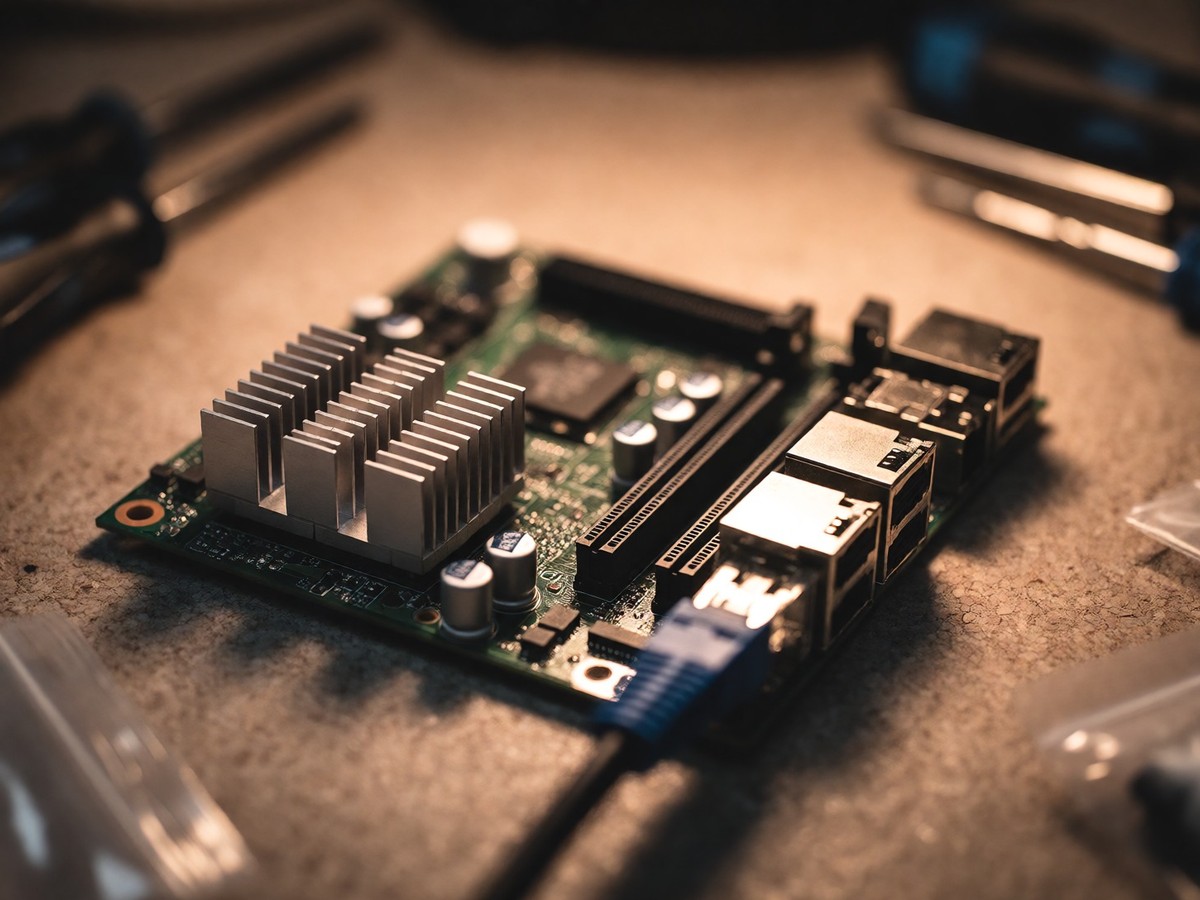
The 10.11 release dropped a major backend rewrite that introduced rough edges, but it also delivered improved search performance and HEVC decoding support for Firefox. The complete removal of ARM32 support means Raspberry Pi users must upgrade to newer hardware or accept software transcoding limitations. This is a hard break; there is no direct migration path from Emby, and some unofficial Emby clients are becoming less compatible as the codebases diverge. Teams relying on older 32-bit devices need to plan hardware upgrades immediately, as the server will not run on those platforms anymore.
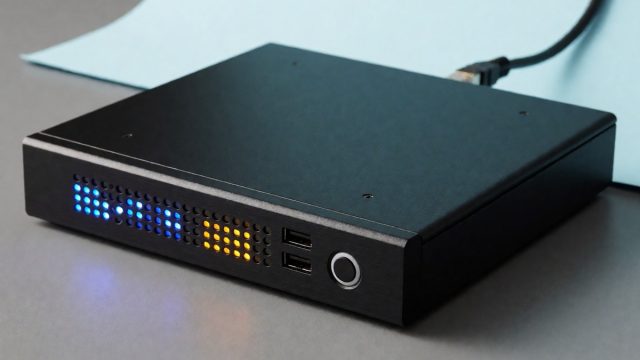
For those staying on current hardware, the focus shifts to optimization. A 4K HEVC to 1080p H.264 transcode can peg an 8-core CPU at 100% if using software transcoding. Hardware acceleration via Intel Quick Sync, NVIDIA NVENC, or AMD VA-API offloads this work to the GPU, dropping CPU usage to near zero. The Intel N100 chip, common in mini PCs, offers full AV1 support and HDR tone mapping at 6W idle, making it arguably the best transcoding CPU per watt for home labs. If you have a discrete NVIDIA GPU, NVENC handles more simultaneous transcodes than Intel QSV, though it is overkill for most setups. Avoiding transcoding entirely by using H.264 and AAC audio in MP4 containers remains the most efficient strategy for direct play.
| Component | Recommendation |
|---|---|
| CPU | 6 cores (Intel or AMD) |
| RAM | 16GB |
| Storage | SSD for system + HDD for media |
| Network | Gigabit Ethernet |
Ecosystem and Client Reality
The plugin ecosystem has matured significantly, with over 335 free, open-source projects available in the Community Hub. Plugins like Intro Skipper provide a Netflix-like experience by automatically detecting intro segments, while Meilisearch offloads search queries for faster results on large libraries. However, the client app gap with Plex remains a genuine disadvantage. Plex has native, polished apps on virtually every smart TV and game console, whereas Jellyfin relies heavily on Android TV devices and streaming sticks. Samsung and LG smart TVs lack official Jellyfin apps, forcing users to rely on the web client or external hardware.
This creates a specific trade-off for teams: you gain total control and zero licensing fees, but you lose the convenience of pre-installed apps on high-end televisions. The project is fast-moving and in early stages, so documentation and code change frequently. Users must check back often for updates, as the initial load of new versions runs migrations that take several minutes. Do not interrupt the process, and ensure you are on version 10.10.7 or higher before upgrading to avoid failure. The question remains whether the effort required to maintain a self-hosted solution outweighs the subscription cost of a managed service for your specific team size.

Technewsdaily
Senior tech writer covering AI, gadgets and cybersecurity. Breaking down the news that matters, every day.