Replacing Google Photos with Immich self-hosted backup
Immich provides a mature self-hosted alternative to Google Photos and iCloud using Docker. This guide explains how to deploy the platform on hardware with at least 8GB of RAM and use the Immich-Go tool to migrate large libraries from Google Takeout without losing metadata.

Reclaiming digital control
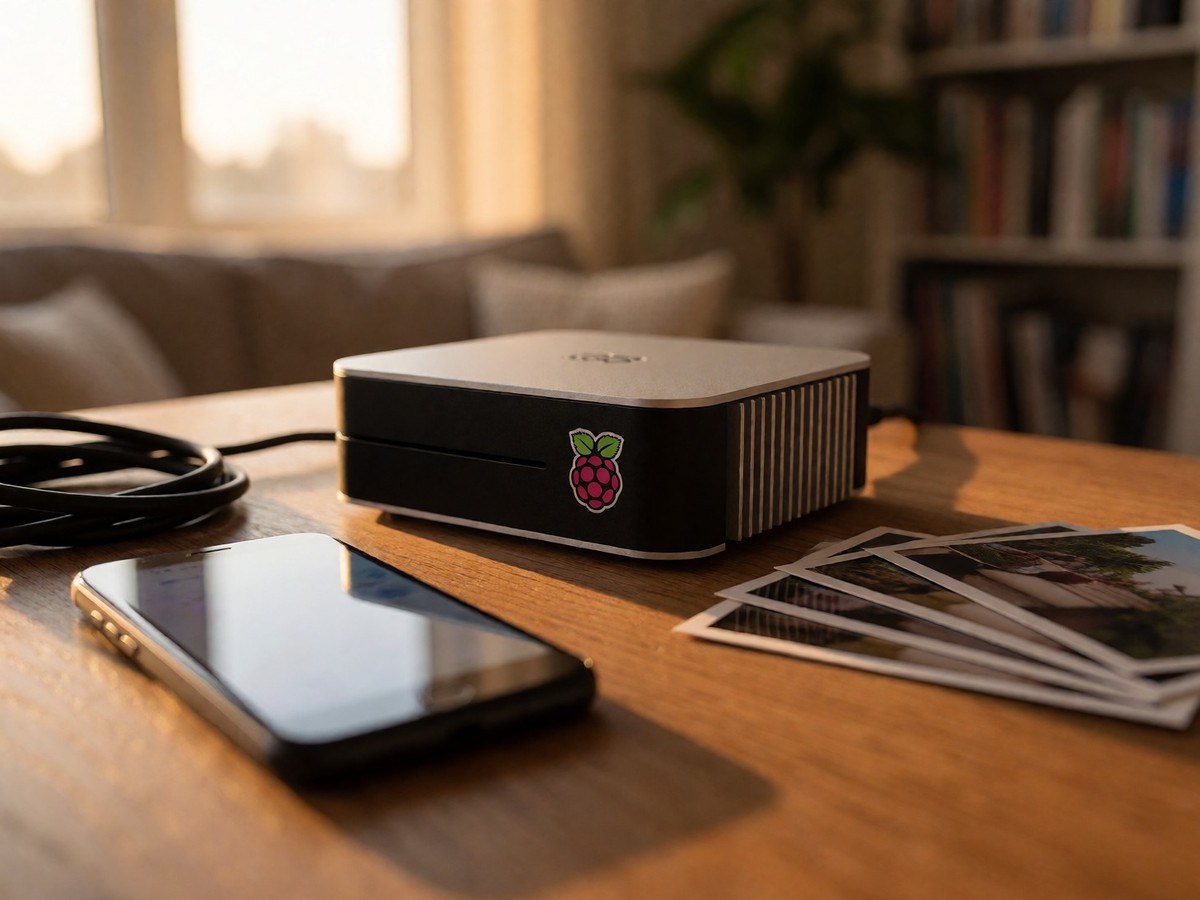
I find Immich to be the most mature self-hosted photo platform available for those seeking to reclaim ownership of their media. While Google Photos and iCloud lock users into proprietary ecosystems, Immich operates on your own hardware like a home server or Raspberry Pi to ensure users maintain complete control over every aspect of their digital legacy. The project launched in 2021 and reflects a mission to create a system where photos stay immortal. It provides features like mobile auto-upload, facial recognition, and AI-powered search for terms like "beach" or "dog". I prefer the web interface because it feels polished, even though the machine learning models demand 2 to 4GB of RAM minimum. Compared to Photoprism, which focuses on RAW file organization for photographers, Immich focuses on replicating the mobile-first experience of Google Photos. Nextcloud offers a broader cloud ecosystem including calendars and documents, but its photo performance is slower because it relies on PHP. Jellyfin handles photos as a secondary library type rather than a dedicated manager, so it is not a replacement for a photo-centric tool.
Deployment and hardware needs
Deployment requires Docker and Docker Compose to manage the four main containers: the server, the machine learning service, the database, and Redis. I recommend allocating at least 8GB of RAM to accommodate the machine learning container, as the 6GB official minimum often results in the kernel killing the process on smaller machines. The database requires a filesystem like EXT4 or ZFS, and users should never place the PostgreSQL data on a network share. I find that using a local SSD for the database prevents performance issues during large imports. You should monitor your CPU usage during the initial indexing process, assuming you have already configured the container environment.
| Component | Minimum Requirement | Recommended Requirement |
|---|---|---|
| CPU | 2 Cores | 4 Cores |
| RAM | 6 GB | 8 GB |
| Storage Overhead | 10% of library size | 20% of library size |
The application uses PostgreSQL to store metadata and Redis to coordinate background jobs. Most users run this on a VPS or a dedicated server to maintain stability. The machine learning container requires the x86-64-v2 microarchitecture level or newer. This specific container loads CLIP and facial recognition models into memory to build search indexes. Performance on ARM devices remains slower for AI features if users run the software on a Raspberry Pi.
Moving your library
Users must move thousands of photos from Google Takeout using the Immich-Go tool to prevent metadata loss. This tool handles JSON files to ensure original timestamps and GPS coordinates remain correct. I successfully imported large archives using the CLI tool without losing album structures. To start, users must generate an API key in their account settings and provide it to the tool via the command line. Users should select only the Google Photos service in Takeout to avoid unnecessary data. Users must also unzip the archives before the tool can read them. Users must navigate to the Google Takeout page, log in, and select the Google Photos service to begin.
I found that Google Takeout often creates duplicates if users select multiple albums, so the Immich-Go command handles the import effectively. The process allows users to pass the server URL and the API key directly into the command. I used the command to manage the workflow. The video handling remains basic because the app lacks advanced transcoding. Will the next update introduce better video playback options? The mobile app requires an HTTPS endpoint to function correctly.

Technewsdaily
Senior tech writer covering AI, gadgets and cybersecurity. Breaking down the news that matters, every day.