The history of Homebrew from Max Howell’s 2009 script to 2026
Tracing Homebrew's evolution from Max Howell's 2009 Ruby script to its 2026 release featuring Linux sandboxing. The tool has surpassed MacPorts and Fink to become the primary package manager for macOS developers.

The Ruby script origins
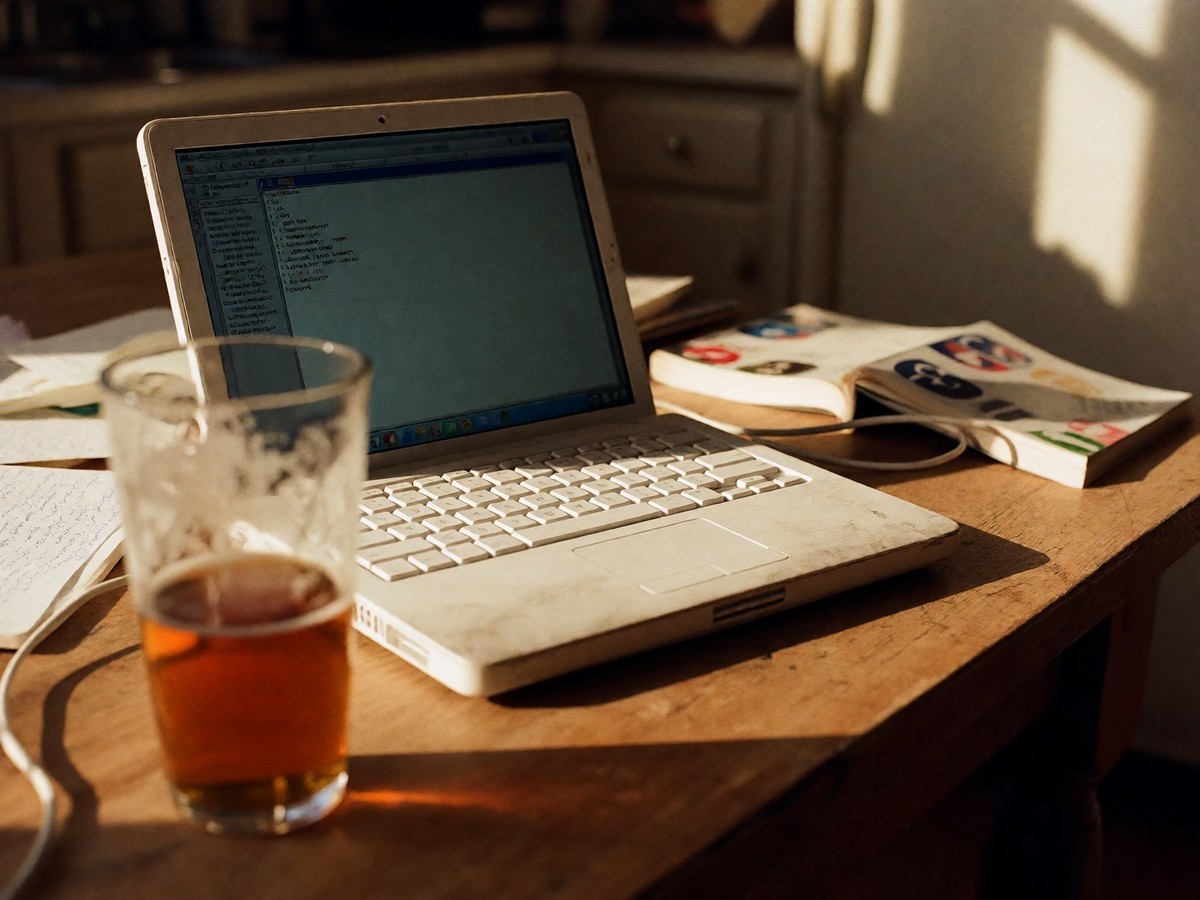
Max Howell authored the original Homebrew Ruby script in 2009. The project reached version 1.0 in 2016. Howell admitted his early implementation was "shit" because it failed to handle dependency management properly and lacked sufficient testing. He focused on user experience rather than computer science theory, noting he studied chemistry instead of computer science. This design choice helped the tool reach millions of users. The tool uses a domain specific language to describe package dependencies using "formulae". In 2017, some users criticized the tool for being an incomplete reimplementation of other managers that caused breakage during updates. In a 2017 discussion, some users noted that the maintainers were not competent enough to manage SSL certificates for their website properly.
Evolution and the replacement of Fink and MacPorts
Homebrew replaced Fink and MacPorts as the primary standard for macOS. MacPorts uses TCL for its formulae and relies on an SVN repository. Homebrew utilizes Ruby and integrates with GitHub. This accessibility allowed the community to grow to thousands of packages. While MacPorts provides a more isolated Unix-style package tree through its /opt/local directory, most developers prefer Homebrew because it leverages existing system libraries and maintains a much larger ecosystem of formulae on GitHub. MacPorts was once considered faster because many of its packages were binaries, whereas Homebrew often built from source. However, Homebrew’s popularity grew as it addressed the frustrations found in Fink and MacPorts.
| Version | Release Year | Major Update |
|---|---|---|
| 1.0.0 | 2016 | Initial stable release |
| 2.0.0 | 2019 | Linux support and automatic cleanup |
| 3.0.0 | 2021 | Apple Silicon support |
| 4.0.0 | 2023 | JSON tap updates |
| 6.0.0 | 2026 | Linux sandboxing and macOS 27 support |
The tool expanded its reach through several key updates. Version 2.0.0 merged with Linuxbrew to provide Linux and Windows 10 support via the Windows Subsystem for Linux. This helps users in environments like HPC where they lack root access. Version 2.0.0 also made the cleanup process automatic to manage space usage. Version 3.0.0 added official support for Apple Silicon in 2021. In 2023, version 4.0.0 enabled faster tap updates by migrating from Git-cloned taps to JSON downloads. In 2025, version 5.0 added official support for Linux ARM64/AArch64. The 6.0.0 release in June 2026 introduced sandboxing on Linux and support for macOS 27. Version 4.1.0 in 2023 improved the security and reliability of the JSON API. Version 4.3.0 in 2024 added SBOM support.
Modern dominance
Homebrew remains the practical default for macOS developers. It manages command-line tools, libraries, and services. It also installs GUI applications via "casks". You should use it if you want a simple way to set up a new Mac. Does any other tool offer this level of ecosystem support?
Developers use different tools for specific needs. Conda and Mamba handle Python and data science environments, especially when managing packages with annoying native dependencies. Mas-cli automates Mac App Store installs. For those who prioritize reproducibility, Nix offers a different philosophy. For lightweight, on-demand tool execution, pkgx serves as a runner. Homebrew works well on both Intel and Apple Silicon Macs. It provides a large ecosystem of documentation and Stack Overflow answers. Users can install a package by executing brew install or remove it with brew uninstall. The tool allows for easy discovery and removal of software. Users search for tools using brew search. This functionality makes it suitable for setting up new Macs quickly and easily. The tool is easy to use for both professionals and casual users.

Technewsdaily
Senior tech writer covering AI, gadgets and cybersecurity. Breaking down the news that matters, every day.