Oxide Cloud Infrastructure vs AWS Outposts and Dell
Oxide Computer Company offers a rack-scale cloud solution that provides 2048 CPU cores and 32TB of memory. This hardware-software integrated system costs less than a $2.3 million Dell setup and allows users to add new sleds in just three hours.

Hardware ownership and cost comparisons
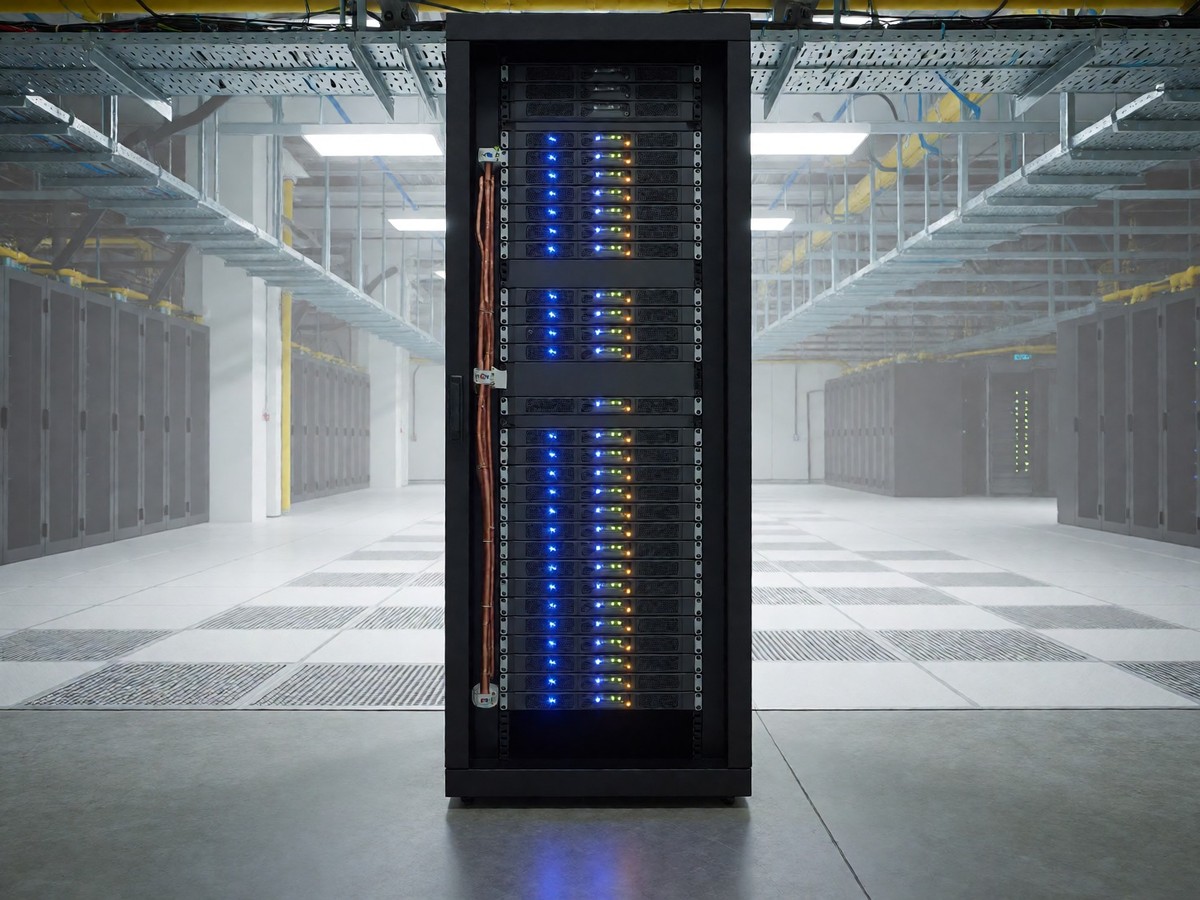
Oxide Computer Company provides on-premises cloud infrastructure via its Cloud Computer rack. The company targets teams that require cloud-like flexibility without renting capacity from hyperscalers. Oxide integrates hardware and software to allow for multitenancy within a single rack. A 32-sled rack costs less than an equivalent setup from Dell including virtualization software. Steve Tuck, the CEO, states a similar amount of computing capacity from Dell costs approximately $2.3 million. This deployment avoids the complex licensing and multi-vendor integration problems common with traditional private cloud setups, because you know how procurement usually drags on for months. Oxide replaces that delay by allowing users to snap in new sleds in three hours. The company aims to solve the infrastructure privilege that hyperscale operators enjoy by building software to manage a full rack from first principles. This approach uses a custom-designed hypervisor and control plane to manage resources. The platform handles various workloads, including VMs, containers, and CI/CD runners, through an API-driven model. The founders, including Bryan Cantrill and Steve Tuck, bring decades of experience from companies like Joyent and Sun Microsystems. The company has raised $189 million to date and employs 62 people. Its customers include Lawrence Livermore National Laboratory, CoreWeave, and large financial services firms. The system uses one AMD EPYC 7713p processor per sled, providing 64 cores per sled. The company also developed its own microcontroller operating system to ensure the reliability of its hardware management.
AWS Outposts and deployment speed
Teams choosing between AWS Outposts and Oxide must decide between renting or owning their infrastructure. Because AWS Outposts remains a rented service tied to specific regions, an update to a region can cause an Outpost to become unavailable during the day, whereas Oxide provides hardware you own and run indefinitely. When a rented rack depreciates, the provider removes it from the data center. Oxide allows users to maintain control over their hardware lifecycle. The system uses a custom software stack written in Rust to improve memory safety and visibility. This software includes Hubris, a memory-protected operating system for the service processor written in roughly 2,000 lines of Rust, Propolis for the virtual machine monitor, and Helios as the host operating system. Oxide also uses Omicron to manage the control plane and Crucible for distributed block storage. The company provides an API-driven experience similar to the Big Three cloud providers, and the team publishes the software stack on GitHub for inspection. One disadvantage is that the system relies on custom-designed hardware controllers instead of commercially available products. The current generation rack uses AMD EPYC 7713p processors and can hold 32TBs of memory.
Technical specifications and efficiency
The rack-scale architecture delivers high density through unique engineering. Oxide uses a DC bus bar to distribute power, which eliminates the need for seventy individual AC power supplies. This design, combined with larger fans and a taller sled geometry, results in a 55% power efficiency gain. The fans move more air using 12 times less energy than the many small fans in a typical 1U or 2U server. The rack provides 2048 CPU cores and nearly a petabyte of NVMe SSD storage.
| Component | Specification |
|---|---|
| Processor | AMD EPYC 7713p |
| Sled Count | 32 |
| Memory | Up to 32 TB |
| Networking | 12.8 Tbps capacity |
| Power Rating | 15 kW |
The system uses custom networking hardware integrated into the back of the cabinet to provide 12.8 Tbps of switching capacity. The design uses a single power shelf to take in three-phase AC power. Oxide fits 32 sleds and redundant switches into less than 15 kW, whereas a legacy rack with 16 conventional 1U servers uses roughly 16 kW for the same number of servers. While Oxide handles data-engineering and orchestration for AI, the current hardware lacks GPUs. Does the company eventually plan to add NVIDIA GPUs to the sleds for AI training?

Technewsdaily
Senior tech writer covering AI, gadgets and cybersecurity. Breaking down the news that matters, every day.