How Penpot is changing open-source design workflows
Penpot offers teams full ownership of design infrastructure through self-hosting options like Docker and Kubernetes. This open-source platform uses SVG, CSS, and HTML to bridge the gap between design and code, providing an alternative to proprietary tools like Figma.

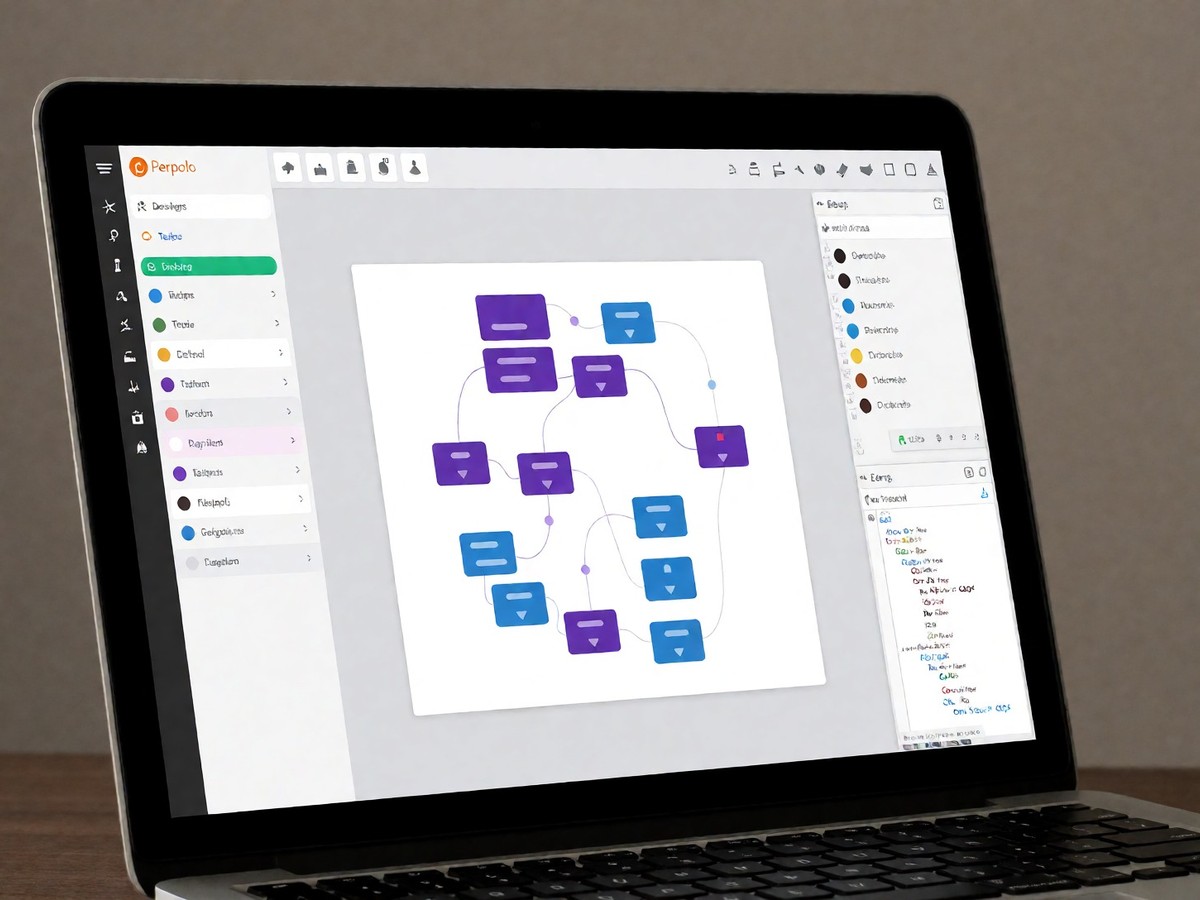
Ownership and deployment flexibility
Penpot provides teams with full ownership of their design infrastructure. The platform permits self-hosting on servers via Docker, Kubernetes, or Elestio. This capability helps organizations meet strict compliance and governance requirements. Figma, a proprietary web-based application for user interface design, requires users to rely on its centralized SaaS model. While Figma reached 13 million users by 2025, its market value fell below $10 billion in June 2026 after its share price dropped below $20. You should evaluate how vendor lock-in affects your long-term product strategy. Penpot works with open standards like SVG, CSS, HTML, and JSON.
Penpot provides a single source of truth through its design system capabilities. The platform includes native Design Tokens, components, and variants to support scalable, reusable, and consistent UI across various projects and platforms. This design-to-code approach helps bridge the gap between creative intent and production-ready assets. Designers build responsive interfaces with CSS Grid and Flex Layout. The platform’s integration of native Design Tokens, components, and variants allows teams to maintain a single source of truth as they build scalable and reusable UI across various projects. Can teams manage the complexity of self-hosting without dedicated DevOps resources?
| Feature | Penpot | Figma |
|---|---|---|
| Software Type | Open-source | Proprietary |
| Deployment Options | SaaS or Self-hosted | SaaS |
| Design Languages | SVG, CSS, HTML, JSON | Proprietary |
| AI Integration | MCP server | Figma Make, Figma Buzz |
| Infrastructure | Docker, Kubernetes, Elestio | Centralized Cloud |
Bridging the gap between design and code
The platform connects design, code, and AI workflows through a code-based approach. This method makes designs readable by developers and AI via the MCP server. Developers access SVG, CSS, and HTML code directly through the inspect tab. Penpot supports webhooks and an API via access tokens for toolchain integration. This integration enables automation and custom workflows within existing systems. Penpot expresses design as code, which enables a direct translation and shipping of products.
Figma expanded its product lines at the Config 2025 conference to include AI-driven tools. Figma Sites allows designers to publish designs directly to the web. Figma Make uses Anthropic’s Claude 3.7 model to turn ideas into functional prototypes and web apps. Figma Buzz creates on-brand static assets, while Figma Draw provides vector illustration tools. In October 2025, Figma acquired the Israeli AI startup Weavy for over $200 million to improve its AI-powered image and video editing tools. Figma’s toolset includes Dev Mode to help developers translate designs into code and FigJam for digital whiteboarding.
Penpot’s plugin system allows users to expand the platform’s capabilities. Users design custom solutions and integrate Penpot with other applications. The platform’s recent development activity in November 2026 shows active maintenance of its components. On November 13, 2026, the .serena component received an update to revoke websocket subscriptions when access is revoked. On November 14, 2026, the backend received a fix for database pool min-size falling back to max-size. On November 12, 2026, the .clj-kondo component received a renderer benchmark runner update. On November 7, 2026, the exporter, library, and media-processor components received pnpm dependency updates to version 12.18.0.
Scalable design systems and enterprise control
Penpot Enterprise provides advanced governance, security, and administration for organizations that need to scale design work across multiple teams. This plan includes a centralized Admin Console, advanced permissions, and identity provider connection through SSO. The enterprise version is available for both cloud and self-hosted environments. This flexibility ensures that security requirements meet the needs of large-scale organizations.
The platform’s ability to handle design systems relies on native Design Tokens and components. These tokens ensure consistency across projects and platforms. Unlike proprietary systems, Penpot’s use of open standards means that design files remain accessible and portable. Figma remains a major player with 13 million users. Its feature set includes Dev Mode to help developers translate designs into code and FigJam for digital whiteboarding. In early 2026, Figma announced integrations with Anthropic’s Claude Code and OpenAI’s Codex via the Model Context Protocol. This allows engineers to iterate between design and code environments. Figma also includes Figma Slides, a presentation tool for collaboration.

Technewsdaily
Senior tech writer covering AI, gadgets and cybersecurity. Breaking down the news that matters, every day.