Home Assistant vs openHAB: Which Comes Out Ahead
Home Assistant leads with over 2,800 integrations and a 500,000-member community, offering faster device support than openHAB's 450 bindings. While openHAB provides superior long-term stability, Home Assistant is recommended for its superior onboarding and broader ecosystem.

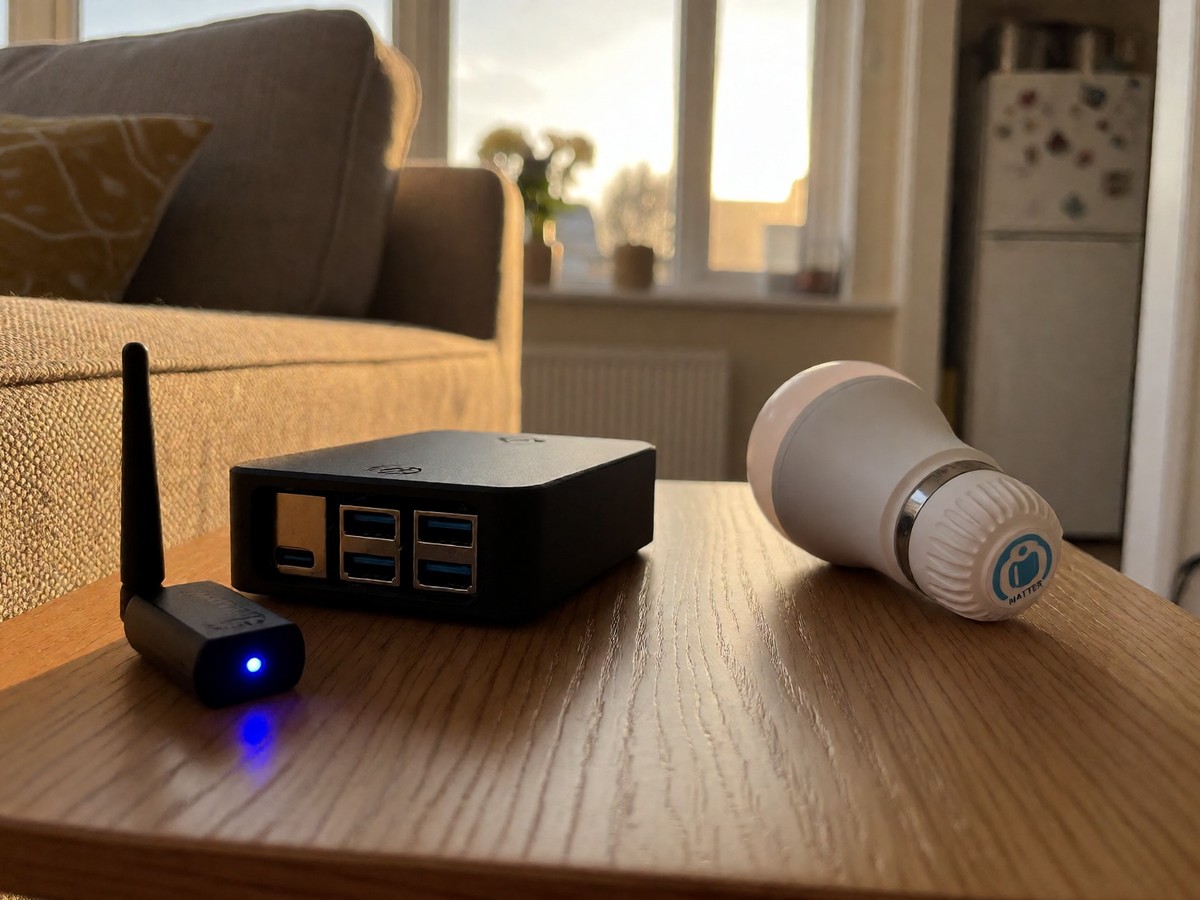
Home Assistant dominates the market with over 2,800 official integrations, while openHAB lags behind with roughly 450 bindings. For most builders, this gap in device support makes the decision straightforward. I recommend Home Assistant for its superior onboarding experience and massive community backing. The platform auto-discovers Zigbee, Wi-Fi, and Matter devices, saving you hours of manual configuration. OpenHAB requires you to define "things," "channels," and "items" before anything works, a process that feels like deciphering an ancient map. If you value speed and breadth, Home Assistant is the clear winner.
Integration Breadth and Community Scale
The integration count tells the story immediately. Home Assistant supports almost every smart home brand out of the box, including newer protocols like Matter and Thread. Brands like SwitchBot, Govee, and Roborock often only have working support in Home Assistant. OpenHAB covers the essentials like Hue and Sonos but has notable gaps for niche or new hardware. When a new device launches, a Home Assistant integration typically appears within days or weeks. OpenHAB bindings can take months, forcing you to wait or write your own code.
Community size amplifies this advantage. Home Assistant’s forum has over 500,000 members, and the r/homeassistant subreddit is equally large. You will find dozens of solutions for any problem you encounter. OpenHAB’s community is smaller, with about 15,000 Reddit members, though it is dedicated and knowledgeable. Finding answers for specific setups is harder because there are fewer tutorials and YouTube videos. The HACS store, now built into Home Assistant as the Marketplace, offers thousands of custom cards and integrations. This ecosystem allows you to import a neighbor’s motion-light automation in a couple of clicks rather than writing rules from scratch.
| Feature | Home Assistant | openHAB |
|---|---|---|
| Integrations | 2,800+ | ~450 |
| Community Size | 500,000+ members | ~15,000 members |
| Release Cadence | Monthly | Quarterly |
| Runtime | Python | Java |
Automation Logic and Stability Trade-offs
Home Assistant uses a visual editor that handles 80% of common tasks. You pick triggers, conditions, and actions from dropdown menus without touching YAML. For complex logic, you can use Jinja2 templates or Python scripts. The recent release added a proper UI for trigger IDs, so you no longer need to invent and remember them manually. OpenHAB’s rules engine is more powerful for developers who want full programming constructs like loops and variables. It supports JavaScript, Blockly, and its own DSL. However, simple automations take more effort to set up in OpenHAB. A basic dimmer requires four separate linked elements, which is tedious compared to Home Assistant’s single entity approach.
Stability is where OpenHAB has a legitimate edge. Its releases are slower and conservative, prioritizing backward compatibility. If you set it up and leave it alone, it will keep working for years. Home Assistant ships monthly updates that occasionally break integrations. Power users often wait a few days after a new release before updating to avoid issues. This fast-paced development means you get new features quickly, but you must accept occasional tinkering. There is no automatic migration between the platforms because their device models differ. You would need to rebuild your setup, though physical hubs like Zigbee coordinators can be reused via MQTT. Which platform do you prefer for long-term reliability?

Technewsdaily
Senior tech writer covering AI, gadgets and cybersecurity. Breaking down the news that matters, every day.