Product reviews: where things stand in November 2026
American consumers spent over $21 trillion on goods and services in 2026, highlighting the broad scope of product value.

I judge products by their ability to solve a specific problem, not by the marketing gloss around them. A product is anything a business offers to satisfy a need or want, whether it is a physical object like a phone, an intangible service like insurance, or a digital item like an app. American consumers spent over $21 trillion on goods and services in 2026, and every dollar went toward some form of product value. The definition from Kotler, Wong, Saunders, and Armstrong covers "physical objects, services, persons, places, organizations and ideas," which means the scope is broad enough to include your personal brand as a marketable asset. I focus on the core benefit first because that is what drives repeat purchases. If the underlying utility fails, no amount of packaging saves the deal.
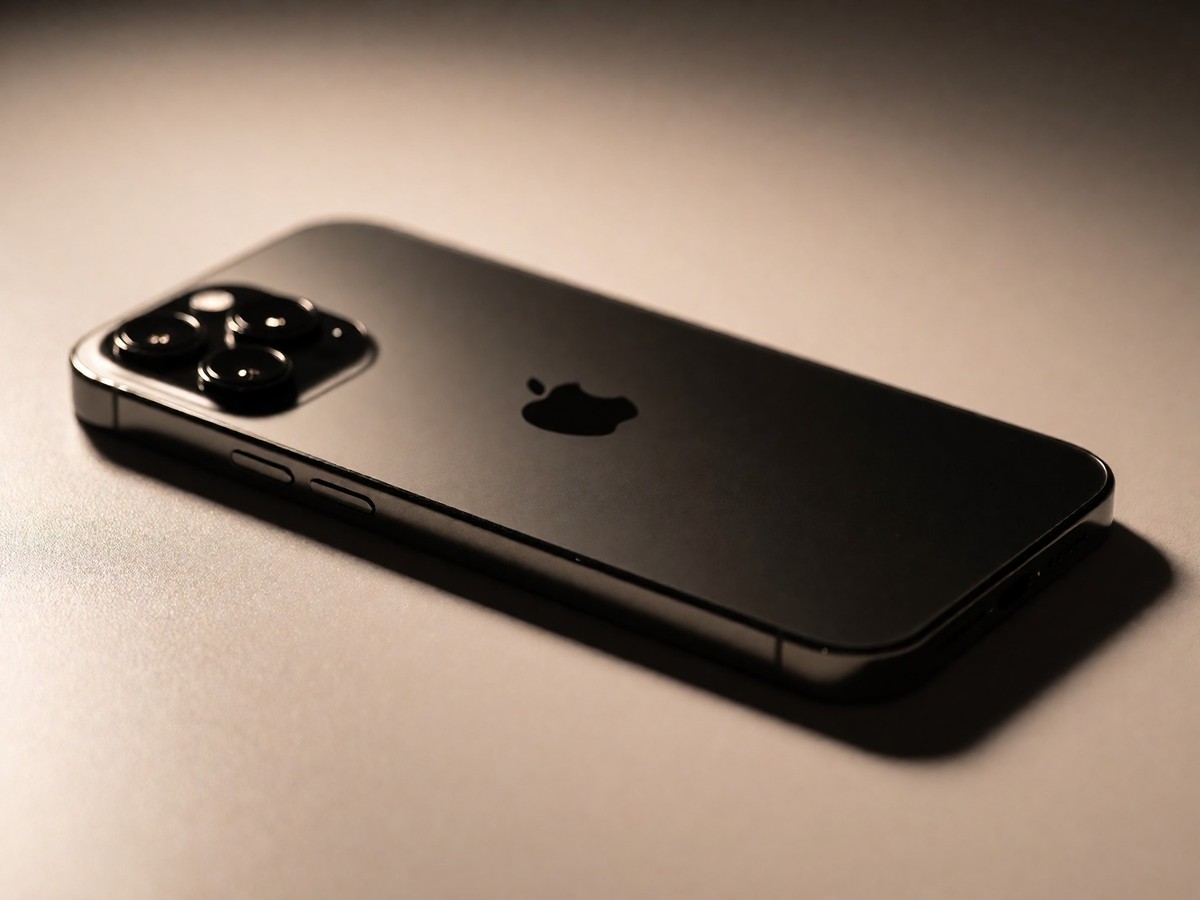
The three levels of a product structure how I evaluate value. The core product is the fundamental benefit, such as confidence for lipstick or refreshment for Coca-Cola. The actual product includes the brand name, features, design, packaging, and quality level. An iPhone’s core is communication, but its actual form includes Face ID and iOS software. The augmented product adds warranties, customer support, free delivery, and installation services. When Samsung sells a TV with free installation and a hotline, that bundle often decides which brand wins. I look at these layers separately because they fail independently. A great core benefit can be ruined by poor augmented service, just as a beautiful package cannot save a broken feature set.
The tangible vs. intangible split
Tangible products are items you can touch, hold, store, and return if faulty. Cars, books, clothing, and electronics fall into this category. They allow pre-purchase inspection, which reduces risk for the buyer. Intangible products, like software or haircuts, cannot be stored or returned once delivered. You experience them only after purchase. This distinction matters because quality checks happen before buying for tangible goods, but only after the fact for intangibles. Most modern businesses sell a blend of both. A car now comes with connected services and over-the-air updates, blurring the line between hardware and subscription. I prefer products where the tangible part stands on its own without requiring a monthly fee to function.
| Characteristic | Tangible Product | Intangible Product |
|---|---|---|
| Touchable? | Yes | No |
| Storable? | Yes | Usually no |
| Ownership | Transferred to buyer | Often licensed |
| Quality Check | Before purchase | After experience |
| Example | Laptop | Consulting |
Consumer products break down into convenience, shopping, specialty, and unsought goods based on how people buy them. Convenience items like Pepsi are bought quickly, while shopping goods like laptops get compared first. Specialty products, such as a Rolex, are unique items people seek out. Unsought goods, like life insurance, are things buyers do not actively look for. Industrial products go to businesses for operations or manufacturing. A steel company buys iron ore as a raw material, while a restaurant buys commercial kitchen equipment. The same lawnmower is a consumer product for a homeowner but an industrial product for a landscaping company. The buyer and purpose determine the category, not the item itself.
Services account for over 77% of the U.S. GDP, making them the largest product category in the American economy. Doctors, lawyers, airlines, and streaming platforms all sell services that address specific needs. Digital products exist only in digital form, including e-books, mobile apps, and online courses. The U.S. is the world’s largest digital products market. If you have ever bought a Kindle book or subscribed to Adobe Creative Cloud, you have purchased a digital product. These items require no physical delivery, which changes the logistics entirely. I find that digital products suffer most when the augmented layer, specifically customer support, is weak. There is no physical store to walk into when the software breaks.
Value drivers and market positioning
Product differentiation and positioning work together to define a brand’s competitive edge. Both strategies aim to connect with the target audience by understanding their needs and preferences. They create unique selling points that set products apart from competitors. Clear and consistent communication is essential to convey this unique value. I see many brands fail here because they confuse features with benefits. A noise-canceling headphone has a feature, but the benefit is peace during a commute. Successful products meet customer needs well, stand out from the competition, and provide value to stakeholders. They must fulfill a real need to attract buyers and boost sales.
Quality ensures customer trust and encourages repeat purchases. Setting a price that reflects worth while staying competitive is vital. Effective marketing strategies raise awareness and foster brand loyalty. Selecting the right distribution methods makes the product easy to find. Gathering input from customers spots areas for improvement. By focusing on these aspects, businesses create products that connect with customers and achieve lasting success. Product Lifecycle Management streamlines development from inception to disposal. It enhances collaboration, improves innovation, and reduces costs through better resource utilization. Companies like Boeing and General Motors pioneered these systems in the early 1990s. PLM now integrates with ERP and CRM systems for a holistic approach.
White label products offer another route to market presence. A manufacturer creates a generic item, and a retailer sells it under its own brand. This allows businesses to offer more products without designing or making them. It is a practical way to expand inventory quickly. However, it relies heavily on the retailer’s brand reputation rather than the product’s intrinsic identity. I would skip white label items if the original manufacturer has a strong track record, as the added margin usually comes at the cost of direct accountability. The product remains a promise to the customer, and breaking that promise damages the brand equity permanently. How do you weigh the speed of white labeling against the long-term value of proprietary development?

Technewsdaily
Senior tech writer covering AI, gadgets and cybersecurity. Breaking down the news that matters, every day.