The high cost of fitness platform competition
Strava has filed a lawsuit against Garmin alleging patent infringement regarding activity maps and segments. Athletes face varying experiences with data synchronization errors on Suunto devices and shifting subscription models across Garmin, Strava, and Suunto platforms.

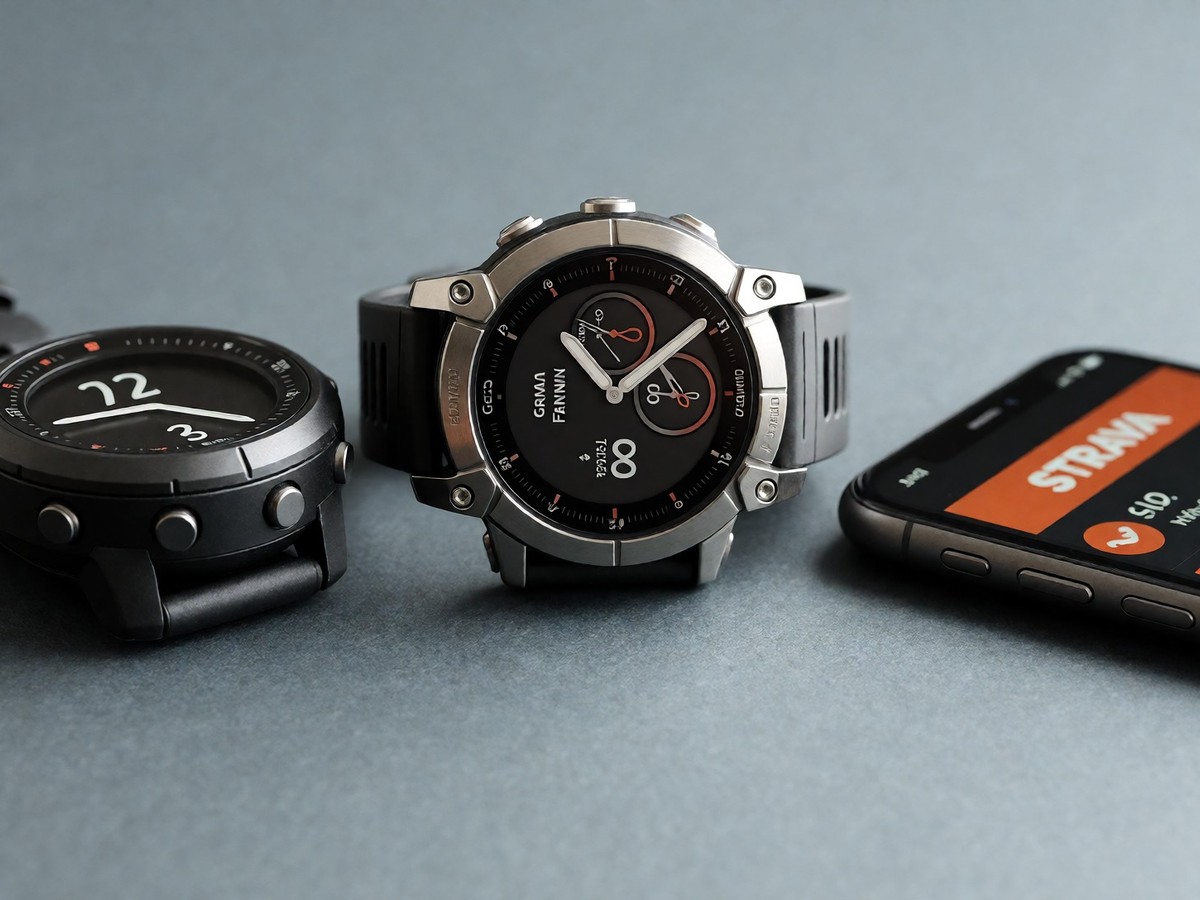
Strava filed a lawsuit against Garmin in a Colorado court, alleging that Garmin’s segments and leaderboards infringe on specific patents. This legal dispute centers on technology involving user preference activity maps and segment matching. Garmin launched heatmaps in early 2013, which predates the period when Strava filed its initial patents in 2014. I find the accusation that Garmin violates patent 9297651 particularly weak since Garmin had popularity routing functionality before Strava. The conflict also involves a 2015 Master Cooperation Agreement. Strava claims Garmin broke this agreement by offering Garmin-branded segments on its own devices and software. The lawsuit targets Garmin hardware, including Edge cycling computers and Forerunner, Fenix, and Epix watches, which implement features that Strava claims violate its specific intellectual property rights and agreements. Strava formally notified Garmin of these issues in late June, with a follow-up on July 25, 2025, alleging willful infringement and claiming damages from lost revenue and business opportunities. Garmin’s Connect+ subscription launched in March this year, creating more direct competition with Strava’s paid tiers. If you rely on Garmin for training, you already use the deep health metrics like training load and recovery that Strava does not match. Strava functions as a social layer for many Garmin users, but the relationship has soured. Garmin recently issued developer guidelines requiring its logo to appear on every activity post, screen, or image to ensure brand visibility. I find the ongoing patent battle between Strava and Garmin to be a messy distraction for athletes who just want accurate data.
Technical glitches and safety tools
Athletes choosing Suunto often encounter synchronization errors that undermine their training data. A user reported a discrepancy where the Suunto Vertical recorded 1044m of ascent but Strava showed only 845m. This error occurred because Strava identifies the device as "Suunto Vertical" rather than just "Suunto," which removes the altitude correction button. Other users struggle when Strava segments fail to appear in the Suunto Plus store for the Suunto 9 Peak Pro despite repeated attempts to sync the device. You already know the struggle of data sync, but these Suunto errors go deeper. Users have reported waiting 28 days for fixes that never arrive. One user even had to unstar all bike segments in Strava and refresh the Suunto app to fix a sync error.
| Feature | Garmin | Strava |
|---|---|---|
| Primary Focus | Training and health metrics | Social competition and routes |
| Safety Tool | Incident detection via SMS | Beacon via URL text |
| Segment Access | Garmin Connect/Devices | Subscription required |
Safety features provide another reason to weigh these platforms differently. Garmin’s incident detection sends an SMS with location and the user’s emergency contact number to selected people. A user reported that after a crash, a motorist used the location sent by a Garmin 520 to call the user’s wife. This detection requires phone service to work, though it is generally more reliable than Wahoo’s inconsistent performance. Strava Beacon, a feature for Premium members, sends a URL to contacts so they can track the athlete. Garmin’s incident detection can trigger from hard braking or falls, though it sometimes produces false positives. Do you trust a software-based URL link as much as a direct SMS? Will these technical bugs between Suunto and Strava ever disappear?
The push for subscriptions
Strava moves features into its paid subscription tiers. This includes access to segments, leaderboards, and advanced training analysis. New tools like Power Skills and Training Zones provide personalized insights into cycling power and running pace. Power Skills integrates The Breakaway, which Strava acquired earlier this year, to deliver analysis across 12 cycling intervals. The platform also uses generative AI for Athlete Intelligence to produce activity summaries for subscribers. These summaries analyze heart rate and pace, though they do not include elevation, estimated power, or cadence. New AI-powered routes use the Global Heatmap to suggest paths, while point-to-point routing allows users to drop a pin for an efficient route from A to B. These routing features became available to subscribers in June and July.
The shift toward paid access creates division among the community. Many long-term users feel the removal of free leaderboards and segment analysis ignores the loyalty of the athlete base. Strava aims to increase profitability by leveraging its 150 million users through these specialized tools. The company also uses machine learning to remove 4.45 million activities with incorrect sport types or vehicle-recorded data to keep leaderboards legitimate. This effort has reduced flag reports by nearly 85%. The move toward paid segments remains the most controversial change for casual users.

Technewsdaily
Senior tech writer covering AI, gadgets and cybersecurity. Breaking down the news that matters, every day.