JetBrains Fleet migration trends for Kotlin teams
As JetBrains shifts focus from Fleet to Air, Kotlin developers must weigh the semantic intelligence of IntelliJ against the speed of Zed or VS Code. Data shows 16% of mobile developers use Kotlin, while AI-generated code leads to a 17-point comprehension gap in engineers.

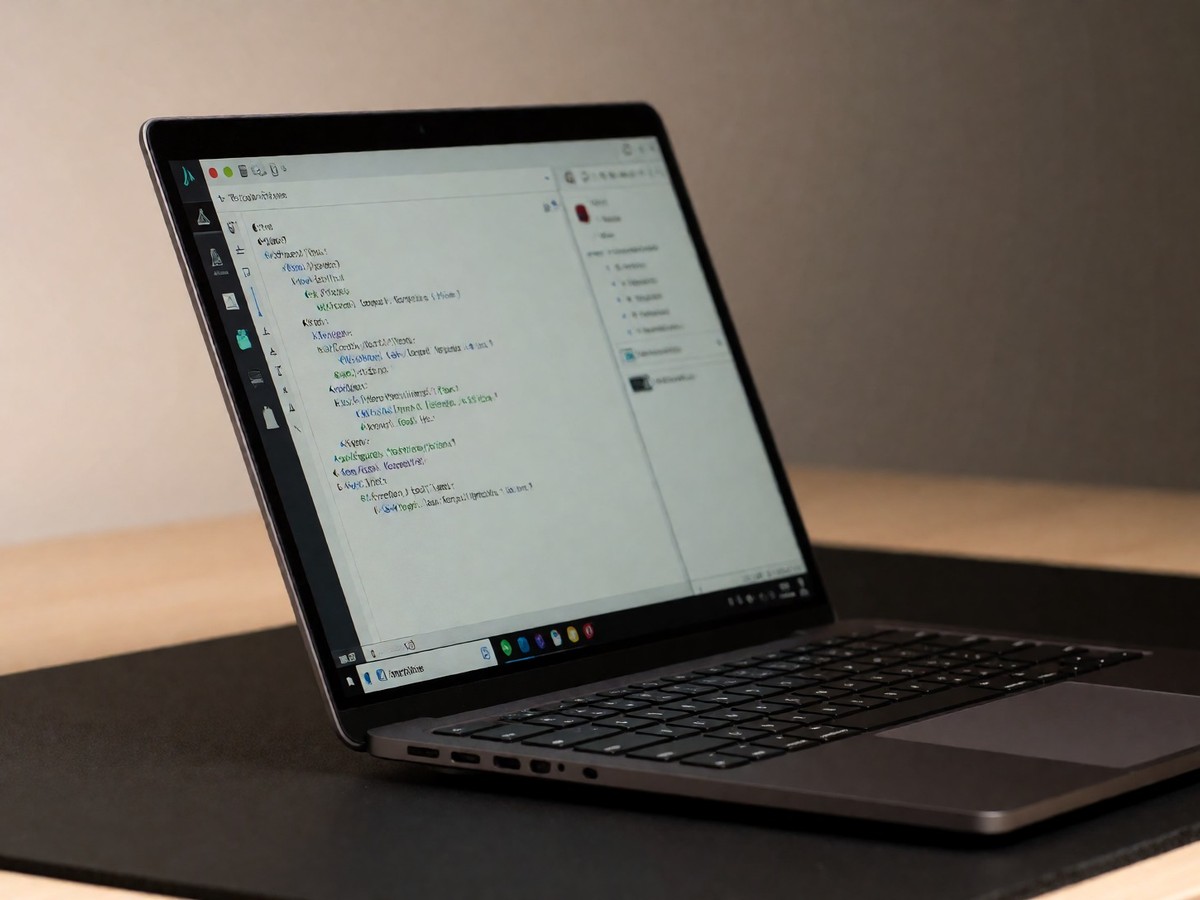
JetBrains Fleet and the Transition to Air
JetBrains discontinued Fleet distribution in December 2025 to focus on IntelliJ-based products and Air, an agentic development environment. Fleet launched as a lightweight polyglot editor to compete with VS Code, providing syntax highlighting, code completion, and debugging for languages like Java, Kotlin, Python, Go, Rust, and JavaScript/TypeScript. The foundation of Fleet lies in a virtualized file system, which permits users to host codebases locally, in containers, or in the Cloud. JetBrains Space provides remote workspaces to containerize development environments and create workspaces for repositories in seconds. Space supports orchestration and allows developers to choose the size of the machine to spin up or provide a Dockerfile to create the image. This transition follows years of user feedback regarding performance lags in JetBrains tools. Some developers report that JetBrains IDEs struggle with responsiveness even on M3 Max hardware when handling multiple services in a single window. Others mention that large monrepos with multiple languages cause the cursor to become unresponsive. These users often switch to Zed or VS Code to avoid waiting minutes for simple search actions. JetBrains has incorporated many Fleet components and UI concepts into its flagship IDEs.
Kotlin Migration and the IDE Landscape
Mobile teams writing Kotlin for Android evaluate the trade-offs between the extensibility of VS Code and the performance of Zed. Kotlin remains a primary language for Android development, supported heavily by Google. In 2025, 16% of mobile developers used Kotlin, and the language provides interoperability with Java to allow incremental migration of existing libraries. Kotlin provides immutability by default, expressive types, and structured concurrency. It also supports nullability in the type system to reduce NullPointerExceptions. For Android, Google recommends Jetpack Compose as a modern toolkit for building native UI. Developers with extensive JVM experience often find the refactoring tools in IntelliJ superior to the extension-based logic in VS Code, which relies heavily on third-party plugins to match the semantic intelligence found in the JetBrains ecosystem.
| Tool | 2025 Adoption/Usage | Core Characteristic |
|---|---|---|
| Visual Studio Code | 73.6% of developers | Extension-based |
| IntelliJ IDEA | 84% of Java developers | Semantic intelligence |
| Zed | High-performance alternative | Rust-based speed |
IntelliJ IDEA usage among Java developers increased from 71% in 2024 to 84% in 2025. During the same period, VS Code adoption for Java dropped from 34% to 31%. VS Code remains the most used development environment, with 73.6% of developers reporting usage in 2025. Its 2026 updates include a stable Agents window for multi-step tasks and support for Bring Your Own Key (BYOK) models. You should evaluate if your team needs the deep semantic understanding of JetBrains or the raw speed of a Rust-based editor like Zed.
AI Agents and the Verification Tax
The decision to migrate involves how AI agents handle code comprehension. Junie, the JetBrains in-IDE agent, resolves 61.6% of tasks at approximately $1.14 per task. This performance compares to the Claude Code terminal agent, which scored 78.9% on Terminal-Bench 2.x. GitHub Copilot for Business costs $19 per user per month and allows admins to prevent the suggestion of code that matches public GitHub repositories. Despite these tools, an Anthropic study from February 2026 found that engineers using AI assistance scored 50% on comprehension quizzes compared to 67% for those coding manually. This 17-point gap indicates that developers who delegate code generation to AI score under 40% on conceptual questions.
| AI Agent | Task Resolution Rate | Pricing Context |
|---|---|---|
| Junie | 61.6% | ~$1.14 per task |
| Claude Code | 78.9% (Terminal-Bench) | Varies by model |
| GitHub Copilot | N/A | $19 per user/month |
Junie follows a strategy to plan on a powerful model and implement on a fast one. This approach targets the credit-burn issues that users report. GitHub Copilot for Business also includes a filter to check suggestions against public GitHub code to prevent the display of matching snippets. The cost of verification remains significant, as a Lightrun survey from April 2026 shows that 43% of AI-generated changes result in production failures. These failures require two to three redeploy cycles for 88% of organizations. Does the speed of an AI agent outweigh the long-term cost of engineer deskilling?

Technewsdaily
Senior tech writer covering AI, gadgets and cybersecurity. Breaking down the news that matters, every day.