Software explained: hardware links, lifecycles, and security
Software acts as the essential link between users and hardware by translating human instructions into binary machine language. Development costs are heavily driven by maintenance, which can account for 75 percent or more of the total project budget.

The invisible link between hardware and code
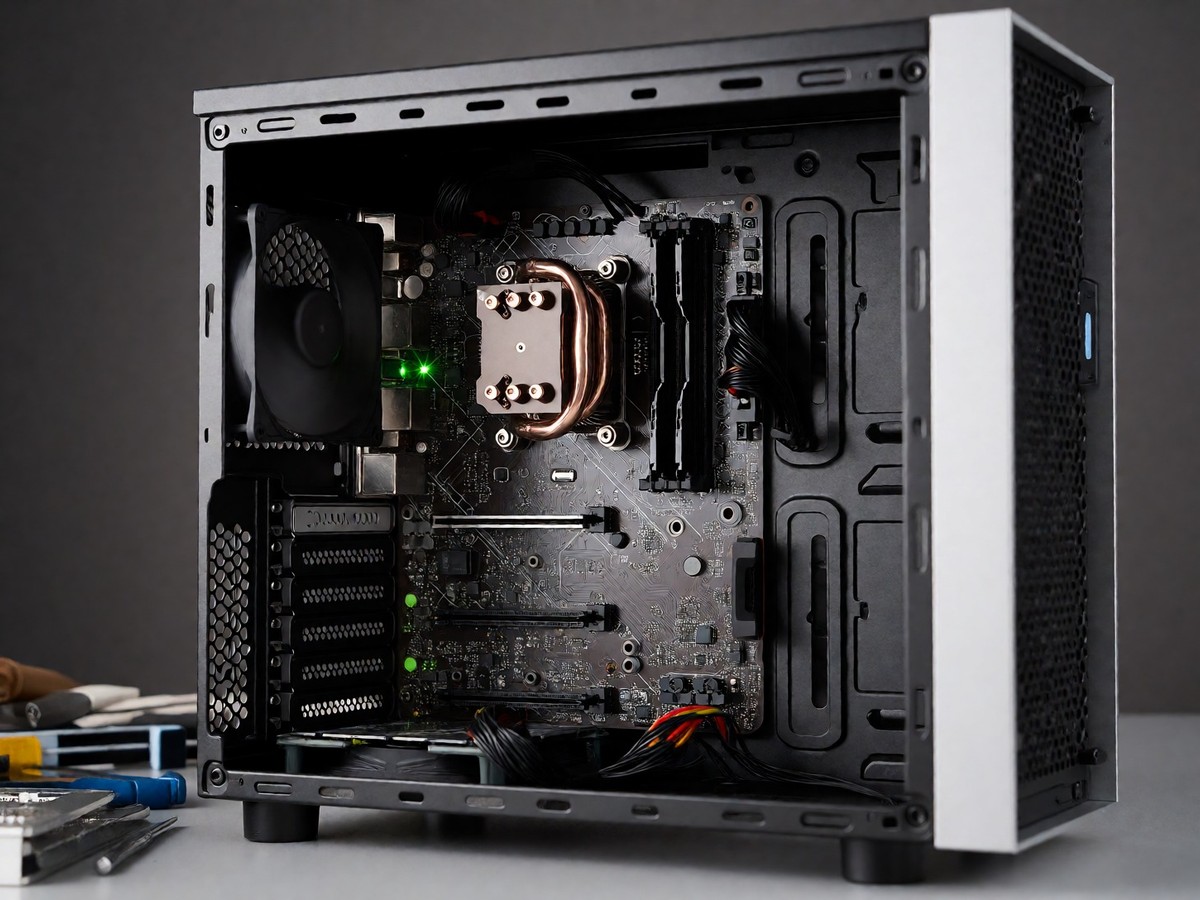
Hardware consists of the physical components you touch, such as the processor, memory, and storage. Software provides the code that runs on it and consists of instructions, data, or programs used to execute specific tasks. I see software as the variable part of a computer while the hardware remains the invariable part. Software acts as a link between the user and the hardware because hardware cannot work alone. While users interact with applications in human-readable languages like English or Hindi, the underlying software must translate these instructions into the binary machine language of ones and zeroes that the computer hardware processor understands.
The operating system fulfills three main purposes: it allocates resources between different applications, deciding when they receive central processing unit (CPU) time or space in memory. It provides an interface that abstracts hardware details to make things easier for programmers. It also provides common services, such as an interface for accessing network and disk devices. This allows an application to run on different hardware without needing to be rewritten. The operating system, such as Windows 11, macOS, or Linux, manages hardware resources and lets other software run. Device drivers handle the operations of hardware devices connected to a computer. Firmware stays embedded in the read-only memory of a system and provides low-level control for specific hardware. Utility software helps configure, maintain, and optimize the computer.
| Software Category | Primary Function | Common Examples |
|---|---|---|
| System Software | Manages hardware and provides a platform | Windows, macOS, Linux, Drivers |
| Application Software | Performs specific tasks for users | Word processors, Web browsers, Games |
| Utility Software | Maintains and protects the system | Antivirus, Disk cleanup, Backup tools |
| Middleware | Mediates between different software | Connects different OS or applications |
The lifecycle of building and delivering software
Developers follow the software development lifecycle to manage the stages from conception to maintenance. This framework includes planning, requirement analysis, software design, implementation, testing, and maintenance. Software design transforms user requirements into a form that programmers can use for coding. This design process includes architectural design to identify the overall structure, high-level design to focus on modules, and detailed design to cover all implementation details.
I find the distinction between different distribution models useful for understanding how we access tools. Traditional applications require a perpetual license and run on hardware belonging to the purchaser. Modern users often prefer software as a service (SaaS) where providers host applications on the internet. These SaaS products work via web applications and often use a subscription fee. Open-source software provides the source code for free, which allows users to make changes and add features. Freeware is available at no cost for a lifetime, whereas shareware works on a trial basis. You should check if a program supports your specific operating system before you download it. Chrome requires Windows 10 or higher for Intel processors with SSE3 support, or macOS 13 Ventura on Mac devices.
Maintenance is a large part of a project. It involves fixing bugs and adjusting code as the environment changes. Software maintenance comprises 75 percent or more of the total development cost. Because the components responsible for application functionality reside on a remote server, users can launch web applications from many different devices including those running Windows, Mac, or Linux operating systems. Developers also use programming software like compilers to convert human-written code into machine code that the hardware can interpret directly. Developers use tools like debuggers to test code and linkers to combine individual files into a single executable file.
Security, quality, and the reality of bugs
Software quality means a product meets stated requirements and customer expectations. Functional requirements define what the software does, while non-functional requirements determine how the system works, including security and usability. Software testing aims to resolve technical issues in the source code and assess performance and compatibility. Developers use programming languages like Fortran, Lisp, and COBOL to write instructions.
Bugs exist in virtually all software. Most developers aim for high quality, but teams often release products in an incomplete state when they run out of time or funding. Poor quality software can cost companies between 20 and 40 percent of sales. A vulnerability occurs when a bug creates a security risk. Malicious actors use these risks to launch cyberattacks or inject malware into a system. Does the increasing reliance on cloud-based SaaS models make it harder to ensure long-term software stability?
Security updates and patches help fix these identified vulnerabilities. However, unknown vulnerabilities or zero days remain liable for exploitation. Malware, which includes viruses, ransomware, trojans, and worms, attempts to make a system misbehave or stop working. Software licenses provide restrictions on the usage and distribution of software through a legally binding document. These licenses highlight the basic responsibilities of the parties involved.
| Software Type | Function | Examples |
|---|---|---|
| Word Processors | Making notes and documentation | MS Word |
| Database Software | Managing and organizing data | MySQL, Oracle |
| Multimedia Software | Playing and recording media | Adobe Photoshop, Media Player |
| Web Browsers | Fetching and positioning web data | Chrome, Firefox, Safari |

Technewsdaily
Senior tech writer covering AI, gadgets and cybersecurity. Breaking down the news that matters, every day.