Evaluating Teleport 17 as teams weigh Boundary and StrongDM
Teleport 17 mitigates cloud misconfiguration risks through AWS IAM Identity Center integration and 99.99% uptime. Security teams must weigh these resilience features against the identity governance gaps found in Boundary and StrongDM alternatives.

Teleport 17 mitigates cloud misconfiguration risks
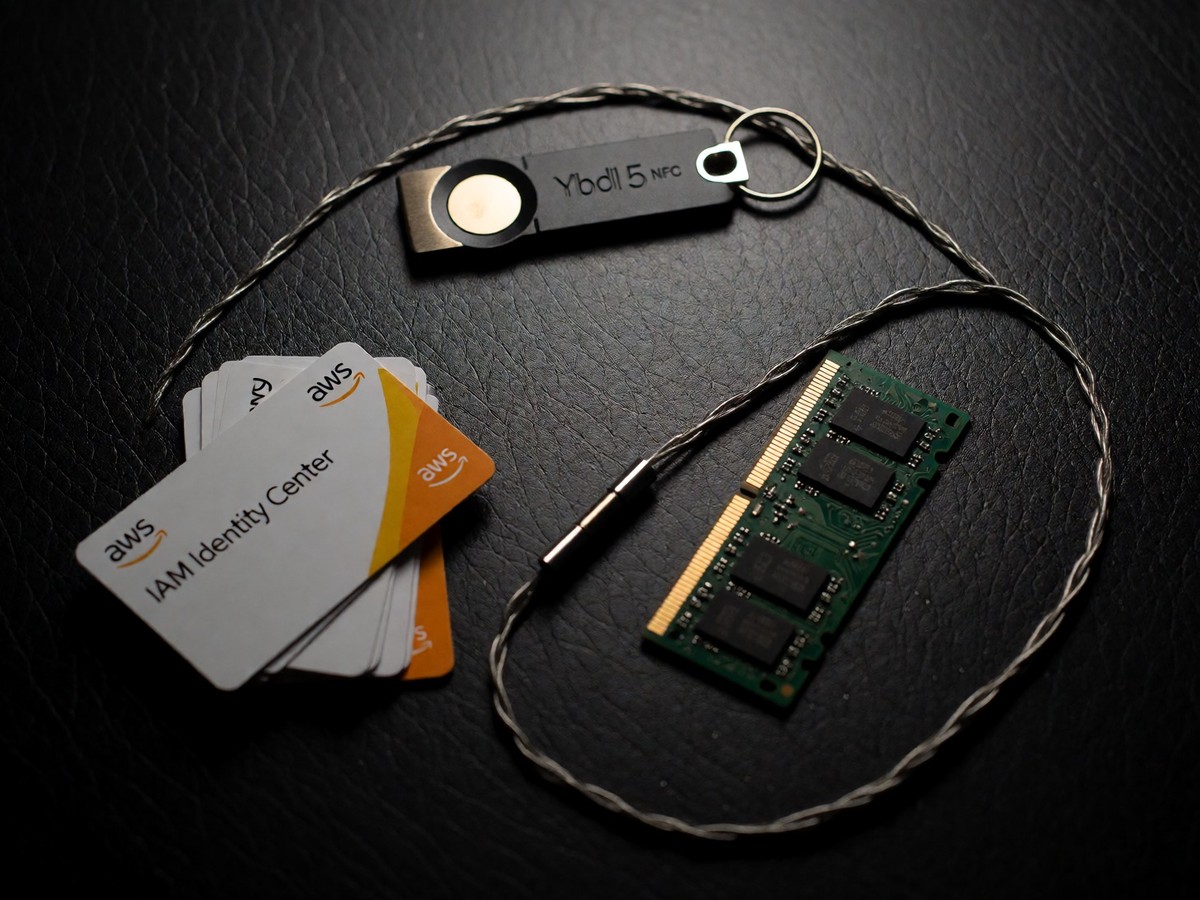
Teleport 17 mitigates risks from misconfigurations that caused nearly half of cloud data breaches in 2024. You already know that a high-profile cyberattack in late 2024 exploited misconfigurations in public websites to target AWS customers. Teleport 17 integrates with AWS IAM Identity Center to facilitate federated authentication across AWS accounts. This integration allows organizations to implement least privilege access through just-in-time controls. The release provides multi-region high availability across nine availability zones with a 99.99% uptime guarantee to support global business continuity. I find Teleport 17 the most capable choice for large-scale resilience. The update includes workload identities and support for external hardware private keys like YubiKey to strengthen identity protection. New cryptographic signature algorithms also protect identities. Teleport 17 includes advanced tools for configuring and auditing role-based access controls, such as nested access lists for hierarchical permissions, notifications for changes to critical infrastructure access, and batch access review capabilities to simplify compliance audits. These tools address the needs of security teams managing thousands of diverse resources. Teleport Policy also provides the ability to prioritize critical resources with the Crown Jewels feature and identify shadow access through SSH Key Discovery. "The scale and complexity of computing infrastructure creates overhead and risk," stated Ev Kontsevoy, CEO of Teleport. The platform builds on a secretless architecture to mitigate identity attacks and ensure infrastructure resilience against human errors.
The identity governance gap in Boundary alternatives
StrongDM argues that session access alone does not solve PAM governance. The distinction between session brokering and credential management creates a risk when access paths cross databases, clusters, and servers. If SSO removal does not cascade into downstream infrastructure, a user keeps access after the identity record says they should not. This offboarding failure creates a governance risk that compounds in hybrid estates. I view the identity governance gap in Boundary alternatives as the primary risk for security teams. Teams managing complex environments must decide if they need a platform that only brokers a connection or one that preserves the entire evidence chain through protocol-level activity logging. Proof of access is not the same as proof of use. A control plane that logs database queries, SSH activity, and kubectl actions creates a stronger forensic record than one that only captures connection metadata. Access convenience is not governance completeness. Security teams must evaluate whether an access platform provides real audit evidence or just session metadata. Organizations must identify shadow access and over-privileged users to reduce security risks. Access that cannot be removed cleanly creates more risk than friction in provisioning. Practitioners should prioritise controls that preserve traceability across databases, servers, and Kubernetes rather than only simplifying connection workflow. How will teams reconcile the speed of automated host discovery in Boundary with the need for strict identity governance?
Version compatibility and Boundary deployment
Upgrade paths require strict adherence to version compatibility. Teleport servers support clients that are one major version behind, but they do not support clients on a newer major version. An 18.x.x agent will not work with a 16.x.x Proxy Service. For Boundary 0.7, HashiCorp recommends testing in an isolated environment because the release introduces significant new functionality. Boundary 0.7 includes the ability to connect to Azure and AWS to ensure that host catalogs stay current. This functionality uses the new Boundary partner plugin integration via go-plugin. Managed groups allow the population of Boundary groups based on external identity provider metadata. Users of the Open ID Connect authentication method can automatically create groups based on user permissions maintained by an OIDC identity provider. Boundary Desktop 1.4 for Mac, Linux, and Windows also includes resource filtering for sessions. The admin console supports resource filtering for sessions and auth methods. Plugin support is currently for internal use only. I recommend following the specific version compatibility rules to avoid cluster failure.
| Capability | Teleport 17 | Boundary 0.7 |
|---|---|---|
| Uptime Guarantee | 99.99% | N/A |
| Host Discovery | N/A | Dynamic host catalogs |
| Identity Integration | AWS IAM Identity Center | OIDC Managed Groups |
| Admin Control | Nested access lists | Resource filtering |

Technewsdaily
Senior tech writer covering AI, gadgets and cybersecurity. Breaking down the news that matters, every day.