Immich delivers the privacy and control families need from cloud
Immich offers a self-hosted alternative to Google Photos for users managing libraries over 200GB. This solution provides mobile auto-backups and facial recognition on hardware like a Synology NAS without recurring monthly subscription fees.


Immich provides a self-hosted alternative to Google Photos that handles mobile auto-backups, facial recognition, and smart search without monthly subscription fees. I find that for anyone managing a library over 200GB or seeking to escape Google’s data scanning, the switch to a local NAS or VPS offers a level of privacy that cloud providers cannot match. Google Photos provides 15GB of free storage shared across Gmail and Drive, but users must pay for larger tiers.
| Service | Pricing Model | Storage Limit |
|---|---|---|
| Google Photos | ₹199 to ₹3,250 per month | 15GB free, then paid tiers up to 10TB+ |
| Immich | No recurring fees | Limited only by your hard drives |
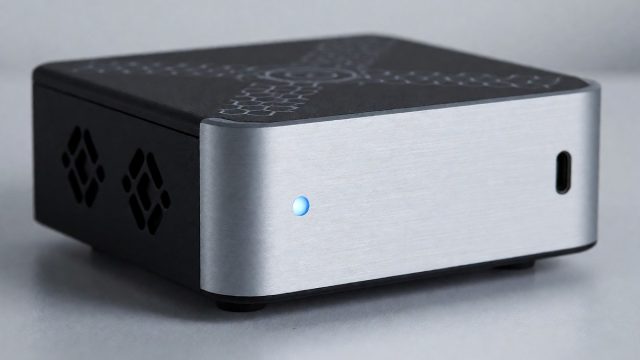
The software runs as a Docker container on hardware like a Synology NAS, a DIY mini-PC, or an Ubuntu VPS. If you choose a VPS, you gain access to your photos from anywhere with enterprise-grade uptime, though you lose the local control of a home server. I think the ability to host your own media is the only way to ensure your family photos stay out of the hands of AI training models.
Migration and hardware realities
Moving a large library from iCloud or Google Takeout requires specific tools to keep your metadata and albums intact. I used the Immich CLI to import a Mac Photos library, which preserved the original album structure and included shared photos. This method requires you to have the "Download Originals" option active in the Apple Photos app to work correctly. For those using Google Takeout, you must unzip the archives and handle the resulting image files and sidecar JSON files.
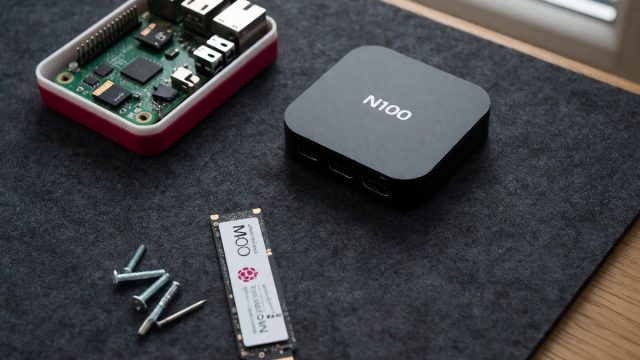
The hardware demands vary based on your library size. A 10K to 50K photo library typically requires 100 to 200GB of storage and 4 vCPUs with 4GB of RAM. When you first import a massive library, the machine learning container uses high CPU power for hours or even days to process facial recognition and thumbnails. I found that the import process takes a long time on an N100 machine because it has to generate thumbnails and collect face data for every asset.
The mobile app support is good for both Android and iOS, but the Android app can be unreliable. On my OnePlus, the app sometimes stops uploading photos for hours or days if the system puts it into a deep sleep. This differs from Google Photos, which maintains a more consistent background sync. I would skip the automated cloud backup if you do not want to manage your own hardware or deal with the risk of a single point of failure at home.
Privacy versus convenience
Immich captures 90% of the Google Photos experience, but it lacks the advanced generative AI editing found in Google’s suite. Google lets you use Gemini to remove people from the background of a photo, while Immich requires you to export the file to a separate AI app or editor to perform similar tasks. The search in Immich works with identified people, places, and objects, but it does not match the conversational "Ask Photos" feature that allows you to query your archive in plain English.
The platform excels at user management for households. An administrator creates accounts for family members, and each user gets a private library and a storage quota. You can use "Partner sharing" to grant a partner access to your entire timeline, which includes all non-archived and non-favorited assets. This works well for couples who want to browse each other’s photos without manually sharing every individual album.
The most significant drawback is the lack of end-to-end encryption. Because the system prioritizes efficiency and machine learning, the developers have not implemented a way to encrypt data at rest within the application itself. If you host on a NAS with encrypted drives, your data stays safe, but the software does not provide that layer of security natively. I find the trade-off for privacy and control worth the extra setup time. Does the lack of built-in AI editing make the transition too difficult for your family?

Technewsdaily
Senior tech writer covering AI, gadgets and cybersecurity. Breaking down the news that matters, every day.