Zed vs Windsurf: The choice for AI coding
Zed offers superior performance with a native Rust architecture and 0.4 second startup, while Windsurf provides advanced automation via the SWE-1.5 model. While Windsurf serves 350 enterprise customers with high compliance, Zed is recommended for its speed and control.

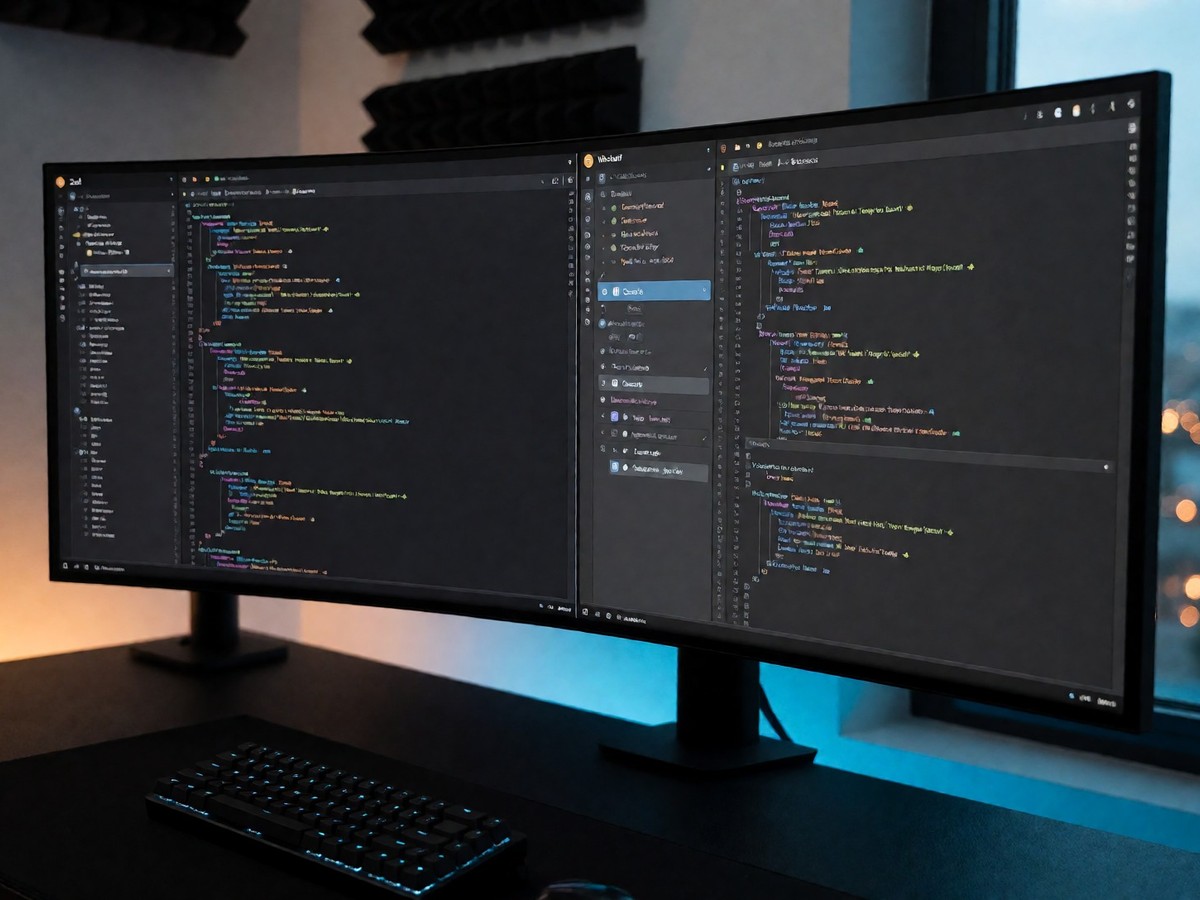
Performance and Automation
Zed uses a native Rust architecture. It delivers 120fps rendering. It starts in 0.4 seconds. Windsurf relies on a VS Code foundation. This foundation leads to UI glitches and memory issues during intensive AI operations. I prefer the speed of Zed. Windsurf prioritizes automation through the Cascade agent. This agent handles multi-file edits and autonomous task execution. You can track every step using Follow mode. Zed emphasizes developer understanding. It lets you review an editable diff before any agent change applies. Windsurf aims for maximum automation.
Windsurf uses the proprietary SWE-1.5 model which performs tasks at speeds thirteen times faster than Claude Sonnet 4.5 while providing all users with daily and weekly quotas for their intensive agentic coding sessions.
Zed’s Zeta2 prediction model provides inline edit predictions with LSP-based context retrieval and has a 30% better acceptance rate than the previous version after training on 100,000 examples. This performance makes it much faster than the 4.5s startup time seen in Cursor or the 6s startup time seen in VS Code. Windsurf works well for JetBrains users. It provides plugins for the JetBrains family, Neovim, and Xcode. This removes the need to switch editors entirely. Zed remains a standalone tool. It does not have the same level of IDE coverage for other platforms.
I prefer the control in Zed.
Pricing and Access
The pricing models differ significantly.
| Feature | Zed Pro | Windsurf Pro |
|---|---|---|
| Monthly Price | $10 | $20 |
| AI Credits | $5 token credits included | Daily/weekly quotas |
| Autocomplete | Includes edit predictions | Unlimited Tab autocomplete |
Windsurf Pro costs $20 per month. It uses a quota system instead of credits. This system refreshes daily and weekly. Zed Pro costs $10 per month. It includes $5 of token credits. You can bring your own API keys from Anthropic, OpenAI, or Google to Zed. You can also connect to Ollama or GitHub Copilot. Windsurf provides unlimited Tab autocomplete on every plan. Tab completions do not touch the quota.
Windsurf manages context through SWE-grep. This tool surfaces relevant codebase files up to 20 times faster than embedding-based methods. Windsurf also uses Flows to track your file edits, terminal commands, and conversation history. This helps the agent infer your intent. Windsurf provides parallel agent sessions via Git worktrees. This feature arrived with the Wave 13 release.
Windsurf also provides cloud sessions for background development. It allows you to run tasks while you are offline. This helps with longer running tasks. You can also use the Agent Command Center. This provides a Kanban-style view of local and cloud sessions. Windsurf Max costs $200 per month for power users. This plan gives a much larger runway before hitting any cap.
Can you manage the complexity of agentic workflows?
The Final Decision
I recommend Zed.
Zed wins on performance. It uses a native architecture. It works quickly. Windsurf is an agent. It automates.
Windsurf provides better compliance. It includes HIPAA, FedRAMP, and ITAR. It serves 350 enterprise customers. This makes it a better choice for regulated industries. Zed is open source. This gives you control.
Windsurf integrates Devin. Cognition AI acquired Windsurf to merge it with Devin. This provides a Kanban-style view of local and cloud sessions. Zed uses the Agent Client Protocol. This lets external agents like Claude Code work inside the editor. Zed is fast.
Windsurf focuses on single-player automation. It requires collaboration to happen outside the editor. Zed supports multiplayer editing. This allows for cursor sharing and voice chat during pair programming.
I choose Zed.

Technewsdaily
Senior tech writer covering AI, gadgets and cybersecurity. Breaking down the news that matters, every day.