EspoCRM 9.0 risks for sales teams choosing SuiteCRM or Odoo
EspoCRM 9.3.7 fixes a critical deserialization flaw rated 9.1 on the CVSS scale, posing a severe threat to unpatched instances. Sales teams must weigh this security risk against Odoo's enterprise licensing costs and SuiteCRM's community stagnation when selecting a CRM platform.

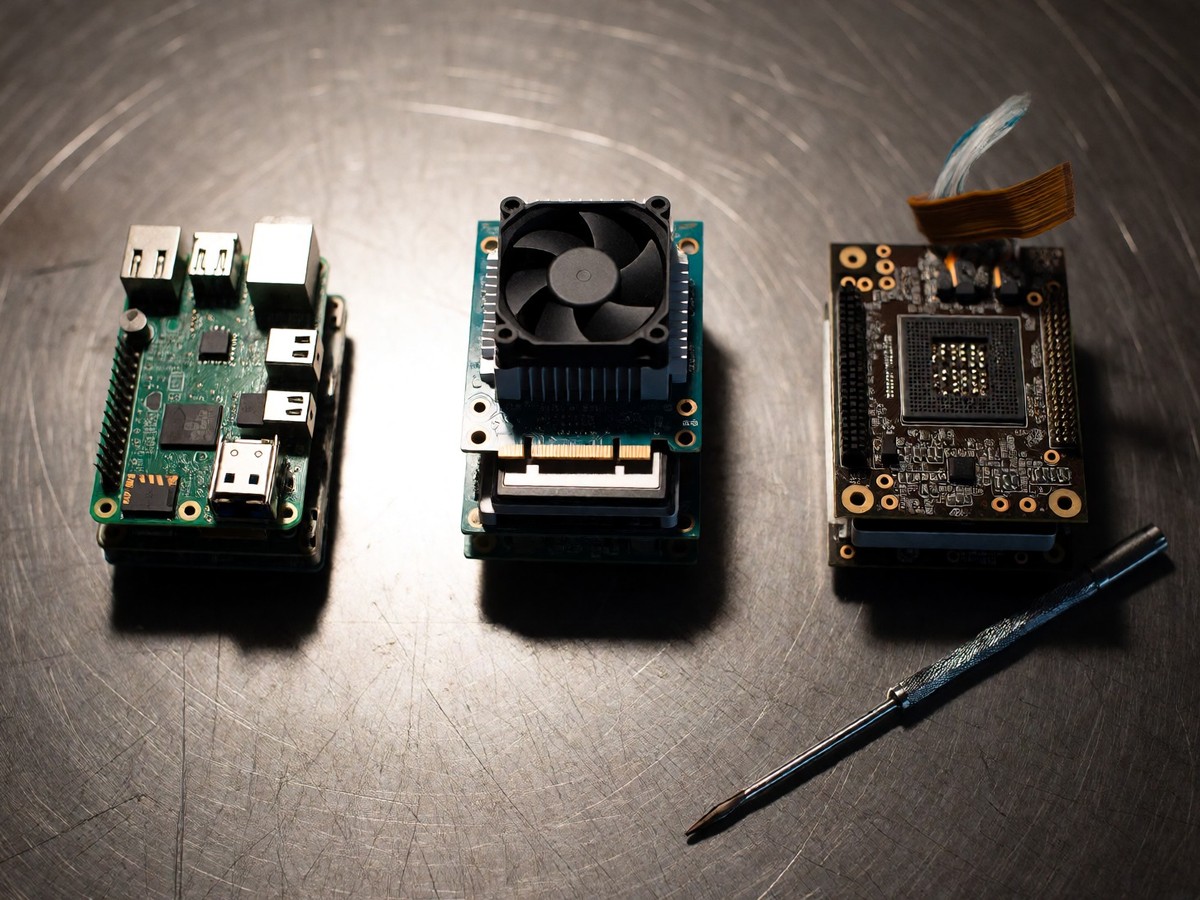
EspoCRM 9.3.7 fixes a critical insecure deserialization flaw that allows an authenticated administrator to execute arbitrary code on the server. The vulnerability, rated 9.1 on the CVSS scale, exploits crafted PHP object data stored in background MassAction or Export parameters. A public proof-of-concept is available, and the EPSS forecast puts the probability of exploitation at 0.42% over the next 30 days. This security posture stands in sharp contrast to the operational friction reported by users of the other two major open-source options. Sales teams evaluating these platforms must weigh this specific technical threat against the broader ecosystem costs of Odoo and the community decay affecting SuiteCRM.
Security and feature gaps
The EspoCRM 9.3.3 release also suffered from a broken access control issue where low-privileged users could pin arbitrary notes without edit permissions on the parent object. The backend API used a "write first, authorize later" execution model, so the server returned a 403 Forbidden error after the database had already persisted the change. This fix landed in version 9.3.5, but it highlights a pattern of permission logic errors that require careful patch management. For self-hosted teams, the free core lacks Reports, Workflows, and BPM, which are locked behind the paid Advanced Pack extension. If you need those automation tools, you pay extra even if you host the software yourself.
Odoo presents a different set of trade-offs. Its Community edition is free under the LGPL-3.0 license, but the Enterprise edition requires a per-user subscription. Self-hosting the Enterprise edition specifically demands the Custom plan, which adds significant cost. The Community repo omits Enterprise-only apps like helpdesk and knowledge modules, forcing a choice between limited functionality or higher licensing fees. Odoo’s integration score is 8/10 compared to EspoCRM’s 6/10, largely because opportunities link natively to invoicing and inventory without syncing. However, reviewers note that the interface overwhelms new users, and some documentation is outdated.
SuiteCRM remains entirely free under AGPL-3.0, with no per-user licence fee. It offers a mature, Salesforce-style experience, but two product lines, 7.x and 8.x, are released in parallel. Teams must verify which line their add-ons target before migrating. The community forums have become caustic, with users reporting long-unfixed bugs and broken file uploads. One user described spending one week tinkering for each simple task that should take one minute. This friction drives many away toward SaaS alternatives where everything works out of the box.
| Feature | EspoCRM | Odoo CRM | SuiteCRM |
|---|---|---|---|
| Licence | AGPL-3.0 | LGPL-3.0 (Community) | AGPL-3.0 |
| Paid Option | Advanced Pack | Enterprise per user | Free hosting/support |
| Latest Release | 10.0.11 | 20.0 branch final | 8.10.2 / 7.15.2 |
| Integration Score | 6/10 | 8/10 | N/A |
Migration and rollback realities
Moving data from any of these systems is not a simple lift-and-shift. A recent migration failure involved 4,800 Opportunities imported over three hours, only for integrity checks to reveal that 23% had no associated Contacts. The field mapping for the junction object was wrong, and there was no rollback plan. The source system was barely accessible, and IT had not documented which access changes were made in what order. It took 18 hours to restore a working state, and a data reconciliation project ran for two weeks afterward.
The root cause would have been caught by a shadow import test, which validates junction objects and relationship fields before production cutover. Teams must define rollback trigger conditions in writing before migration day. If a trigger is met before hour four of the import, call the rollback immediately. After hour eight, when reps are already in the system, rollback is almost always off the table. The source CRM must remain in read-only mode, not decommissioned, until the destination system is validated. Keeping both systems active during the validation window is a standard risk mitigation cost, not overhead to be optimized away.
I would skip EspoCRM 9.0 if your team cannot guarantee immediate patching to 9.3.7. The deserialization flaw is too severe to ignore, especially with public exploit code available. Odoo offers better integration but locks advanced features behind enterprise pricing. SuiteCRM is free but suffers from community stagnation and unresolved bugs. Which platform can you trust to handle a failed migration without losing a Sunday?

Technewsdaily
Senior tech writer covering AI, gadgets and cybersecurity. Breaking down the news that matters, every day.